Are hydrogen vans the future of clean transportation, or are they simply a fleeting innovation? As hydrogen fuel technology continues to advance, the landscape of vehicle leasing is set for transformation. First Flexi Lease, always at the forefront of industry trends, is closely observing these developments. This article delves into the burgeoning potential of hydrogen vans, exploring their environmental benefits, market trends, and First Flexi Lease’s strategic interests. Discover how hydrogen vans might redefine zero-emission transportation and why they are capturing First Flexi Lease’s attention.
Exploring Hydrogen Fuel Technology for Vans
Hydrogen fuel cells are central to hydrogen fuel technology, providing a clean alternative to conventional fuels. These cells generate electricity by combining hydrogen with oxygen, a process that produces only water vapour as a by-product, making it an emission-free technology. This clean fuel alternative has the potential to significantly reduce carbon footprints, especially if ‘green’ hydrogen, produced from renewable sources like wind or solar energy, is utilised. With the automotive industry’s growing focus on sustainability, hydrogen fuel cell technology represents a promising path for vans and other heavy-duty vehicles to align with environmental goals.
Refueling hydrogen vans offers a notable advantage in terms of speed and convenience. Unlike battery-electric vans that require considerable charging time, hydrogen vehicles can be refueled in a manner similar to traditional petrol or diesel vehicles. This involves simply filling up the hydrogen tank, a process that takes just a few minutes. This quick refueling capability not only enhances operational efficiency but also makes hydrogen vans a practical choice for businesses requiring minimal downtime.
- Zero tailpipe emissions, contributing to cleaner air.
- Quick refueling time, comparable to conventional fuels.
- Higher payload capacity due to lighter energy storage.
- Potential for ‘green’ hydrogen from renewable sources.
- Resilience in extreme weather conditions, unlike some electric vehicles.
.
Market Trends and First Flexi Lease’s Focus on Hydrogen Vans
The introduction of the Movano HYDROGEN marks a pivotal advancement in the hydrogen van sector, underscoring a significant trend towards zero-emission transportation. As the first hydrogen van to be marketed in the UK, it is expected to set a precedent for future developments within the industry. Hydrogen vans, such as the Movano HYDROGEN, not only offer zero exhaust emissions but also promise a substantial range of up to 311 miles, making them viable for long-distance travel with minimal environmental impact. This shift towards hydrogen fuel technology could potentially reshape market dynamics, compelling other manufacturers to explore similar innovations. The Movano HYDROGEN’s emergence signals a growing acceptance and investment in hydrogen technology, which could catalyse further technological advancements and market growth.
First Flexi Lease is likely to be strategically positioning itself to leverage these emerging trends. As a prominent player in the vehicle leasing industry, the company is expected to monitor the hydrogen van market closely, seeking opportunities to expand its fleet offerings. By integrating hydrogen vans into its portfolio, First Flexi Lease can cater to the increasing demand for sustainable transportation solutions. The company may view hydrogen vans as a key component of its long-term strategy to align with environmental sustainability goals, offering clients a cleaner alternative without compromising on performance or efficiency. This strategic focus not only enhances First Flexi Lease’s competitive edge but also aligns with broader industry shifts towards eco-friendly solutions.
Investment Opportunities for Leasing Companies
Leasing companies are well-positioned to invest in hydrogen van technology as part of their sustainability strategies. By incorporating hydrogen vans into their fleets, they can offer clients innovative and environmentally friendly options that meet stringent emission standards. Investment opportunities may include partnerships with manufacturers to secure early access to hydrogen models, as well as collaborations with infrastructure developers to expand refueling networks. These initiatives can position leasing companies at the forefront of the transition to greener transportation solutions, allowing them to capture new market segments and build client loyalty through sustainable practices.
Hydrogen vs. Electric Vans: A Comparative Analysis
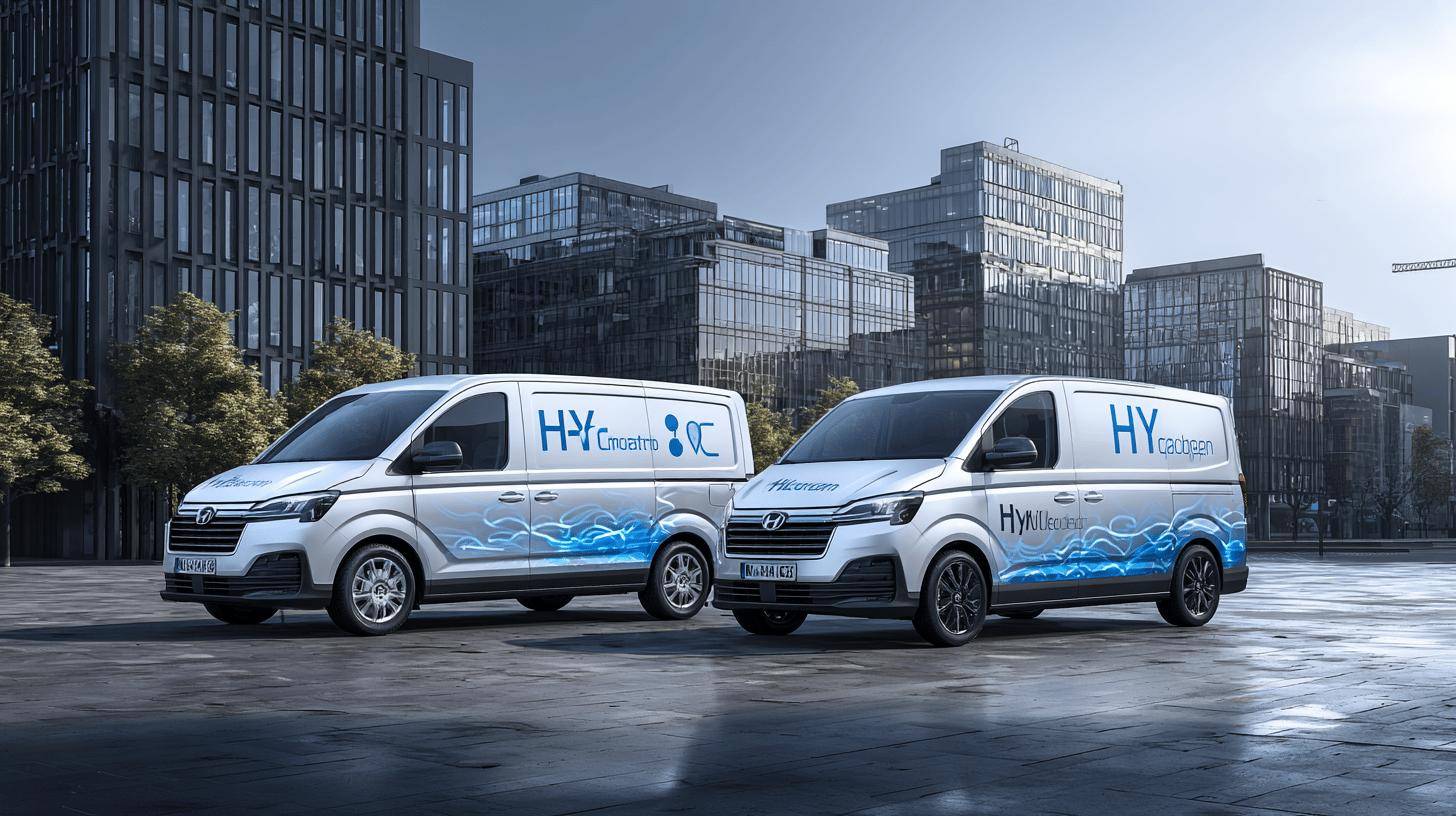
Hydrogen vans and electric vans represent two distinct paths in the pursuit of zero emissions vehicles. Hydrogen vans utilise fuel cell technology to generate electricity, which powers their electric motors. This differs from electric vans, which rely on plug-in battery charging. A key difference lies in refueling costs: hydrogen fuel currently ranges from £10 to £15 per kg, whereas electric vehicles are significantly cheaper to fuel over the same distance. This cost disparity is a critical consideration for businesses evaluating long-term operational expenses.
The refueling process is another area where hydrogen vans diverge from their electric counterparts. Hydrogen refueling is rapid, akin to filling a conventional diesel tank, which can be completed in minutes. In contrast, electric vans require substantial time at charging stations, particularly for a full charge. This quick refueling capability makes hydrogen vans appealing to businesses with high utilisation needs, minimising downtime and maximising productivity.
Hydrogen vans offer additional advantages in terms of payload and efficiency. Without the heavy battery packs found in electric vans, hydrogen vehicles can accommodate higher payloads, making them particularly suited for industries requiring substantial cargo capacity. Furthermore, hydrogen vans can maintain consistent performance in extreme weather conditions, an area where electric vehicles sometimes face challenges. These attributes make hydrogen vans a compelling choice for companies seeking robust and versatile transportation solutions.
Future Infrastructure and Challenges for Hydrogen Vans
Hydrogen refueling infrastructure in the UK is currently limited, with only 14 stations available, predominantly located in London and the South East. This scarcity presents a significant barrier to widespread adoption of hydrogen vans, as it restricts the operational range and convenience for fleet operators. In contrast to the extensive network of electric vehicle charging stations, the current hydrogen refueling network requires substantial expansion to support broader use. The limited availability of refueling stations hinders the practicality of hydrogen vans for long-distance travel and for fleets operating outside the concentrated areas. To overcome these limitations, strategic investments in infrastructure development are crucial, requiring coordinated efforts between government, industry stakeholders, and energy providers.
Despite these infrastructure challenges, hydrogen vans offer notable safety advantages compared to traditional petrol or diesel vehicles. Hydrogen is considered a safer alternative, as it disperses quickly in the event of a tank puncture, reducing the risk of fire or explosion. However, fleet adoption still faces hurdles, primarily due to the need for extensive testing to verify the cost-effectiveness of hydrogen vehicles in comparison to other low-emission options. The high initial cost of hydrogen vans, coupled with the nascent state of refueling infrastructure, requires fleet operators to carefully evaluate the long-term operational benefits and costs. Addressing these challenges will involve not only technological advancements but also strategic planning to ensure hydrogen vehicles are competitive and viable for widespread fleet use.
- Increase the number of hydrogen refueling stations across the UK to improve accessibility.
- Encourage public-private partnerships to fund infrastructure development.
- Implement government incentives to lower the initial purchase cost of hydrogen vans.
- Foster research and development to enhance hydrogen production and distribution efficiency.
.
First Flexi Lease’s Role in Promoting Sustainable Vehicle Leasing
First Flexi Lease is committed to advancing sustainable vehicle leasing by embracing innovative technologies that align with environmental goals. What are the sustainability goals of First Flexi Lease? The company aims to reduce carbon emissions and support the transition to a greener fleet by integrating low-emission vehicles into its offerings. These sustainability initiatives involve exploring various clean fuel alternatives, with a particular emphasis on hydrogen fuel cell technology. By focusing on sustainable vehicle leasing, First Flexi Lease not only addresses the increasing demand for eco-friendly transportation solutions but also positions itself as a leader in promoting environmentally responsible practices within the vehicle leasing industry.
How does leasing hydrogen vans align with broader environmental strategies? Hydrogen vans offer a pathway to zero-emission transportation, a crucial component of global efforts to combat climate change. By including hydrogen vans in its portfolio, First Flexi Lease can provide clients with access to cutting-edge technology that meets stringent emission standards and supports broader environmental strategies. This approach not only satisfies current market demand for sustainable options but also anticipates future regulatory requirements. Leasing hydrogen vans enables First Flexi Lease to cater to clients seeking to reduce their environmental impact, thereby reinforcing its commitment to fostering a green fleet transition.
Final Words
Exploring hydrogen fuel technology reveals its potential to transform the van market with cleaner energy solutions.
As hydrogen vans gain momentum, companies like First Flexi Lease are strategically poised to embrace these advancements, aligning with sustainable transportation goals.
The analysis highlights hydrogen’s distinct advantages, including quick refuelling and higher payload capacities compared to electric options.
Despite infrastructure challenges, hydrogen fuel promises a clean, practical alternative to traditional fuels.
Hydrogen Vans on the Horizon: What First Flexi Lease Is Watching signifies a significant shift towards environmentally friendly, zero-emission vehicles, offering promising investment opportunities.
Embracing hydrogen technology could redefine vehicle leasing, reducing emissions, and benefiting both consumers and the planet.
FAQ
Q: What is the biggest problem with hydrogen cars?
A: One of the principal challenges hydrogen vehicles face is the limited refuelling infrastructure. With scarce hydrogen stations, vehicle owners may experience difficulty accessing timely refuelling.
Q: What is the forecast for hydrogen cars?
A: The market for hydrogen cars is expected to grow as technology advances and refuelling infrastructure expands. This expansion could drive increased adoption and investment opportunities.
Q: Why is hydrogen fuel not the future?
A: Although hydrogen fuel offers environmental benefits, several factors inhibit its widespread use. These include costly production methods, inadequate infrastructure, and higher fuel costs compared to electric alternatives.
Q: Why does Elon Musk not believe in hydrogen fuel cells?
A: Elon Musk argues against hydrogen fuel cells, citing their inefficiency compared to battery-electric technology. He highlights the high cost and energy loss associated with hydrogen production and distribution.