Right then, if you’re using a van for courier work, especially with a flexi lease agreement, you’ll need to make sure you’ve got the right insurance. It’s not just about ticking a box; it’s about protecting yourself and your business. Let’s have a look at the main types of courier van insurance you should be thinking about.
Key Takeaways
- Hire and Reward insurance is a must-have for anyone using their van for deliveries.
- The size of your van matters, from small city vans to larger trucks, each needing appropriate cover.
- Look for policies that include extras like 24/7 roadside assistance and maintenance for peace of mind.
.
1. Hire and Reward Insurance
Right then, let’s talk about the nitty-gritty of insurance for your van, specifically when you’re using it for work. If you’re leasing a van through something like Flexi Lease and planning to use it for deliveries, parcel drops, or any kind of paid transport, you absolutely need what’s called ‘Hire and Reward’ insurance.
Think of it this way: your standard car insurance covers you for getting from A to B for your own use. But as soon as you’re getting paid to carry goods or people, that’s a different ball game entirely. This type of insurance covers you for the risk involved in using your vehicle for commercial purposes. Without it, you’re driving illegally, and if anything goes wrong – an accident, a breakdown, a damaged package – you’ll be personally liable for everything. That means repair costs, compensation, and potentially hefty fines.
It’s not just a suggestion; it’s a legal requirement. Most delivery platforms and clients will ask to see proof of your Hire and Reward insurance before they let you start working with them. It’s basically the bedrock of your courier business insurance.
Here’s a quick rundown of why it’s so important:
- Legal Compliance: Keeps you on the right side of the law.
- Financial Protection: Covers you for accidents, damage to goods, and third-party claims.
- Business Continuity: Helps you get back on the road quickly if something happens.
- Client Requirements: Often a must-have to even get jobs.
.
So, when you’re looking at van hire or setting up your courier business, make sure Hire and Reward insurance is at the top of your list. It’s the difference between operating legally and risking everything.
2. Comprehensive Insurance
When you’re out and about as a courier, having the right insurance is a big deal. Comprehensive insurance is pretty much the gold standard for protecting your van and yourself. It goes way beyond just covering accidental damage to your own vehicle; it’s about having a proper safety net for all sorts of situations you might run into on the road.
Think of it like this: if you have a prang, comprehensive cover will sort out the repairs to your van, even if it was your fault. But it doesn’t stop there. It also typically includes cover for damage to other people’s property, like if you accidentally knock over a garden wall or something. Plus, there’s usually third-party liability included, which is super important for couriers. This bit covers you if someone else gets injured or their property is damaged because of your van – a real lifesaver if you’re dealing with lots of different stops and busy roads.
What’s Generally Included?
- Damage to your own van: Covers repairs if your van is damaged in an accident, fire, or if it gets nicked.
- Damage to other people’s property: If you cause damage to someone else’s car, fence, or anything else, this covers the cost.
- Third-party injury: If you injure someone else in an accident, this covers their medical bills and any compensation they might be due.
- Fire and theft: Protects your van if it’s damaged by fire or stolen.
.
Why It’s a Good Idea for Couriers
As a courier, you’re on the road a lot, often in busy areas, making deliveries to various locations. This means more chances for things to go wrong, whether it’s a minor bump in a tight car park or a more serious incident. Having comprehensive cover means you’re not left footing the bill for expensive repairs or legal costs if the worst happens. It gives you peace of mind so you can focus on getting those deliveries done without worrying too much about what might happen if you have a mishap.
3. Small Vans
Small Vans
When you’re just starting out as a courier, or if your business mainly involves zipping around town making deliveries, a small van is often the way to go. They’re brilliant for nipping through traffic and finding parking spots that larger vehicles just can’t manage. Think of them as your nimble city sidekicks.
These vans are typically the most budget-friendly option, both for the hire itself and for the insurance you’ll need. They’re perfect for carrying lighter goods, like parcels, documents, or smaller trade supplies. Because they’re smaller, they tend to be more fuel-efficient too, which is always a bonus for your running costs.
When looking at insurance for a small van, you’ll want to make sure it covers you for ‘Hire and Reward’. This is the legal bit that allows you to carry goods for payment. Beyond that, think about what level of cover you need. Most people opt for comprehensive, which covers damage to your own van, theft, and third-party damage.
Here’s a quick rundown of what to consider:
- Purpose: Are you doing local deliveries, or longer runs?
- Cargo: What sort of items will you be carrying? Are they fragile?
- Mileage: How many miles do you expect to cover each month?
- Driver History: Your own driving record will affect the premium.
.
It’s always worth getting a few quotes to compare. Don’t just go for the cheapest; check what’s actually included in the policy. Sometimes a slightly higher premium gets you much better cover and peace of mind.
4. Medium Vans
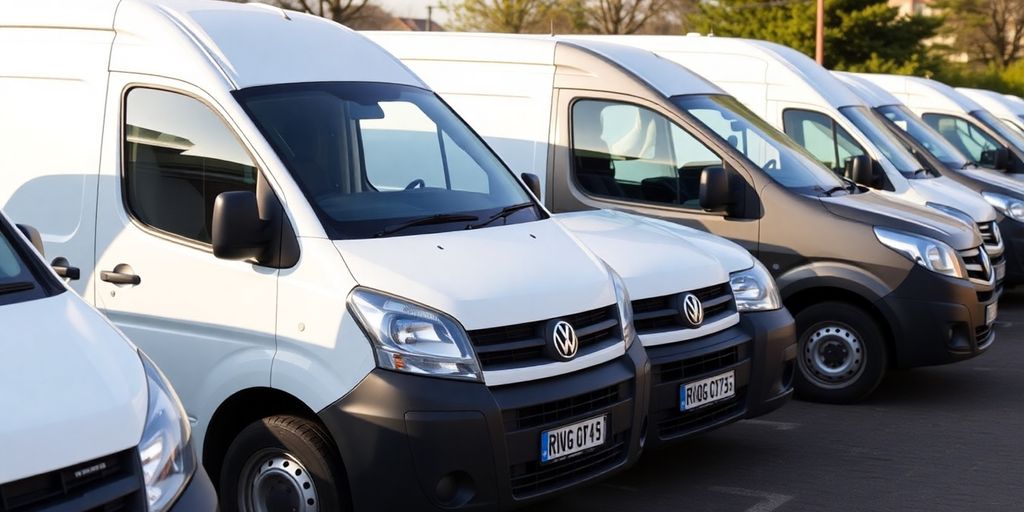
What are Medium Vans?
Medium vans are a bit of a sweet spot for couriers. They’re not as fiddly as the really small ones, but they’re also not as massive as the big boys, making them pretty versatile. Think of them as the all-rounders of the van world. They give you a decent amount of space for your parcels and goods, which is obviously key when you’re out and about all day, but they’re still manageable enough to get around town without too much hassle. They’re a solid choice if your routes involve a mix of city driving and slightly longer runs.
Why Choose a Medium Van for Courier Work?
- More Cargo Space: You can fit more in than a small van, meaning fewer trips or the ability to take on bigger jobs.
- Easier to Handle: Compared to large vans, they’re generally easier to park and manoeuvre, especially in built-up areas.
- Fuel Efficiency: Often, they offer a better balance of space and fuel economy than their larger counterparts.
.
What to Look For
When you’re looking at medium vans for your courier business, it’s worth considering a few things:
- Load Volume: How much can it actually carry? Check the cubic metres of space.
- Payload: How much weight can it take?
- Dimensions: Both internal and external, so you know if it’ll fit down certain streets or into loading bays.
.
It’s always a good idea to have a look at a few different models and maybe even take one for a test drive if you can. What works for one courier might not be the best fit for another, depending on what you’re actually delivering and where you’re going.
5. Large Vans

Right then, let’s talk about the big boys – large vans. If your courier work involves shifting more than just a few parcels, like furniture, appliances, or even larger business equipment, then a large van is probably what you’re after. These are the workhorses, offering a good chunk of space without quite going into the ‘massive truck’ territory.
When you’re looking at insurance for these larger vehicles, you’ll want to make sure it covers you properly. Think about what you’re carrying and the distances you’ll be travelling.
What to Look For:
- Coverage Level: Generally, you’ll be looking at Hire and Reward insurance, but the specifics for a large van might mean higher limits or different clauses compared to a smaller vehicle. Always check the policy details.
- Vehicle Specifics: The size and type of large van can affect your premium. A standard panel van will be priced differently to something more specialised.
- Usage: How you use the van – daily deliveries, long-distance haulage, specific types of goods – all play a part in the insurance cost.
.
Insurance Considerations:
- Collision Damage: If you bump into something, this covers the cost of repairs to your van.
- Third-Party Liability: This is the big one, covering damage or injury you might cause to other people or their property.
- Theft and Fire: Protection against your van being stolen or damaged by fire.
.
Remember, the bigger the van, the more it generally costs to insure. This is down to the higher replacement value and potentially higher repair costs if something goes wrong. It’s always worth getting a few quotes to compare.
6. Luton Vans
Right then, let’s talk Luton vans. If you’re moving anything bulky or just need a serious amount of space, these are your go-to. They’ve got that big box body that stretches over the cab, giving you loads of room for your gear. They’re a popular choice for couriers dealing with larger items or making fewer, bigger drops.
When you’re looking at insurance for a Luton, you’ll want to make sure it covers the specific type of work you’re doing. Think about:
- Type of Goods: Are you carrying furniture, appliances, or something else entirely? Some insurers might have different rates depending on what you’re hauling.
- Geographical Area: Where do you typically operate? Driving in busy city centres might cost more than rural routes.
- Driver History: Your own driving record and experience will play a part in the premium.
.
What to Look For
- Hire and Reward: This is a must-have for anyone getting paid to transport goods. It covers you if you’re involved in an accident while working.
- Breakdown Cover: Lutons are big beasts, and if you break down, especially with a load, it can be a real headache. Getting roadside assistance is a smart move.
- Goods in Transit: This covers the actual items you’re carrying. If something gets damaged or stolen while it’s in your van, this insurance can help.
.
Remember, the bigger the van, the more it generally costs to insure. It’s all about the risk involved, and a larger vehicle often means a higher potential for damage or claims.
7. Low Loaders
Low loaders are a bit of a niche, but a really useful one, especially if you’re shifting stuff that’s a bit heavy or awkward to get in and out of a regular van. Think furniture, machinery, or even building materials. The main selling point here is that lower loading height, which means less grunt work for you and your team. It makes loading and unloading much quicker and safer, which is a big win when you’re on a tight schedule.
When you’re looking at insurance for a low loader, you’ll want to make sure your Hire and Reward policy covers the specific type of goods you’ll be carrying. Some policies might have restrictions on weight or type of item, so it’s worth double-checking. Also, consider the size and capacity of the low loader itself. A bigger van, even with a lower loading height, will generally cost a bit more to insure than a smaller one, just because of the potential for higher repair costs or the value of the goods it can carry.
Key Considerations for Low Loaders:
- Loading Height: The primary advantage, making it easier to load and unload.
- Cargo Type: Ensure your insurance covers the specific items you transport.
- Vehicle Size: Larger low loaders may have higher insurance premiums.
- Manoeuvrability: While lower, they can still be large vehicles, so consider urban driving.
.
It’s always a good idea to get a few quotes and compare what’s included. Don’t just go for the cheapest option; make sure the coverage actually fits what you do day-to-day. A bit of research now can save you a lot of hassle later.
8. 7.5-Tonne Trucks
When you’re looking at vans for courier work, you might think about going bigger than your average transit. That’s where the 7.5-tonne trucks come in. These aren’t your typical vans; they’re proper trucks, really, and they’re built for serious hauling. If your job involves moving a lot of stuff, maybe bulky furniture, lots of parcels, or even if you’re doing a bit of light removals, these could be the ticket.
Why Consider a 7.5-Tonne Truck?
These trucks offer a massive amount of space and can carry a significant weight. They’re ideal for businesses that need to transport larger volumes or heavier items on a regular basis. Think about it: instead of multiple trips in a smaller van, you can get it all done in one go. This can save you a lot of time and fuel, which obviously adds up.
Insurance for 7.5-Tonne Trucks
Getting insurance for a vehicle this size is a bit different from insuring a car or a small van. You’ll need specific commercial vehicle insurance, often called HGV (Heavy Goods Vehicle) insurance, even though it’s at the lower end of the HGV spectrum. The cost will reflect the size and weight of the vehicle, and the type of goods you’re carrying. Make sure your policy covers hire and reward if you’re using it for deliveries, and check the excess levels, as they can be higher on larger vehicles.
What to Look For
- Payload Capacity: How much weight can it actually carry? This is key for your business.
- Loading Space: Measure the internal dimensions to make sure your typical loads will fit comfortably.
- Fuel Efficiency: While they’re bigger, some newer models are surprisingly good on fuel, which is worth investigating.
- Maintenance: Does the lease include regular servicing? For a truck this size, keeping it in good nick is really important.
.
Hiring a 7.5-tonne truck means you’re stepping up in terms of vehicle size and capability. It’s a big commitment, so make sure your business needs genuinely match the capacity and running costs of such a vehicle. It’s not just about having more space; it’s about managing a larger asset.
9. Maintenance Included
When you’re leasing a van for your courier work, thinking about who sorts out the regular servicing and MOTs is a big deal. It’s easy to forget about, but it can really affect your day-to-day operations. Having maintenance included in your lease agreement takes a massive headache away. It means you don’t have to worry about booking your van in for its service or finding a garage that can fit you in. The leasing company handles all of that, making sure your van is kept in good nick and is roadworthy. This is super handy because, let’s be honest, when you’re out on the road making deliveries, the last thing you want is to be dealing with unexpected mechanical issues or the hassle of getting your vehicle serviced. It keeps your business moving without any unwanted interruptions.
Here’s what you can generally expect when maintenance is part of the deal:
- Routine Servicing: All scheduled services, like oil changes and filter replacements, are covered.
- MOT Tests: The cost and arrangement for your van’s annual MOT are usually included.
- Repairs: Often, wear-and-tear repairs are also part of the package, meaning things like brake pads or wipers getting replaced when needed.
- Tyre Replacements: Some agreements might even include replacing worn-out tyres.
.
It’s worth checking the specifics of what ‘maintenance included’ actually covers with your provider, as it can vary. But generally, it’s a really good way to budget and keep your van running smoothly without any surprise bills or downtime.
10. 24/7 Roadside Assistance
When you’re out and about, especially with a flexi lease van for your courier work, the last thing you want is to be stranded. That’s where 24/7 roadside assistance comes in. It’s basically a safety net for your van, making sure that if anything goes wrong, like a flat tyre or a breakdown, you can get help pretty much anytime, day or night.
What’s Included?
Most good roadside assistance packages will cover a few key things:
- Breakdown assistance: If your van stops working, they’ll try to fix it on the spot or tow it to a garage.
- Flat tyre changes: They can swap your flat for your spare.
- Jump starts: If your battery dies, they can give you a boost.
- Fuel delivery: If you run out of petrol or diesel, they can bring you enough to get to the nearest station.
- Lockout services: If you accidentally lock your keys inside the van.
.
Why It’s a Lifesaver for Couriers
For couriers, time is money, right? If your van breaks down, you’re not just losing time; you’re potentially missing deliveries and losing income. Having roadside assistance means you can get back on the road faster, minimising disruption to your work. It’s a real peace of mind knowing that help is just a phone call away, no matter what time it is or where you are. It’s a small cost that can save you a massive headache and a lot of lost earnings.
Need help on the road, day or night? Our 24/7 roadside assistance is here for you. We’ll get you back on track quickly, no matter the time. Visit our website to learn more about our services and how we can help you.
Wrapping It Up
So, there you have it. When you’re looking at long-term van hire for your courier work, it’s not just about getting a van. It’s about finding a package that works for you. We’ve seen how getting the right insurance, like Hire and Reward, is a must-have, and how companies often bundle this with other good stuff like maintenance and roadside help. Picking the right size van, whether it’s a nippy small one for the city or a bigger beast for larger loads, makes a real difference too. It all boils down to making a smart choice that keeps you on the road, earning, without too many headaches. Give it some thought, and you’ll find a solution that fits your delivery life perfectly.
https://www.firstflexilease.com/courier-start-ups-short-term-fleet-hire-from-first-flexi-lease
Frequently Asked Questions
What sort of insurance do I actually need for my courier work?
Right then, you’ll definitely need ‘Hire and Reward’ insurance to cover your deliveries. It’s a legal must-have when you’re using your van for work, like dropping off parcels. On top of that, you’ve got to have your standard motor insurance sorted too, as the law requires.
Does long-term van hire usually come with insurance included?
Generally, yes! Most places that offer long-term van hire will bundle in comprehensive insurance. This usually means you’re covered if you have a bump or if someone else is involved, giving you peace of mind.
How much does it cost to hire a van long-term, and does the size matter?
It really depends on the van size and how long you’re hiring it for. Smaller vans are typically cheaper each month than the bigger ones or special types like Lutons. Plus, the longer you commit to hiring, the better the monthly price often gets. It’s always worth shopping around to see who offers the best deal for the van you need.