Have you ever wondered what happens when eco-friendly innovation meets the chilled logistics of transporting perishables? Refrigerated electric vehicles, or EV vans, are revolutionising the way we keep goods cool while reducing our carbon footprint. These state-of-the-art vehicles merge advanced cooling technology with clean energy, offering a tantalising glimpse into the future of sustainable transport solutions. In this article, we’ll explore the core features of refrigerated EV vans, their critical role in modern logistics, and the myriad benefits they provide for businesses seeking efficient and eco-friendly cooling solutions.
Understanding Refrigerated EV Vans
Refrigerated electric vehicle (EV) vans represent a modern solution for transporting temperature-sensitive goods. These vehicles are designed to maintain precise temperature controls, crucial for perishable and sensitive items. Unlike traditional refrigerated vans, EV models offer the added benefit of reduced emissions, aligning with the increasing demand for sustainable business practices. Their ability to keep cargo within stringent temperature ranges ensures that products such as food, pharmaceuticals, and other perishables arrive at their destination in optimal condition. This reliability makes them indispensable for industries where temperature control is non-negotiable, helping businesses meet both regulatory requirements and customer expectations.
- Fresh produce
- Dairy products
- Pharmaceuticals
- Frozen foods
- Floral arrangements
.
The growing popularity of refrigerated EV vans is largely attributed to their eco-friendly benefits. As businesses seek greener logistics solutions, these vehicles provide a viable alternative to diesel-powered options, significantly lowering carbon footprints. This shift not only supports environmental goals but also offers operational efficiencies, as electric vehicles often present lower fuel and maintenance costs. Consequently, refrigerated EV vans are becoming a preferred choice for companies aiming to enhance their sustainability credentials while ensuring the safe transport of temperature-sensitive goods.
Advanced Temperature Control in EV Vans
Maintaining precise temperature control is crucial in refrigerated electric vehicles (EV) vans, especially when dealing with perishable goods. Effective temperature management ensures the integrity of sensitive cargo such as food and pharmaceuticals during transit. This capability is vital for businesses that rely on temperature-controlled delivery to meet regulatory standards and customer satisfaction.
Temperature Regulation Technology
Electric refrigerated vans use advanced technology to maintain consistent temperatures. Key components include:
- Sensors: These devices continuously monitor the internal temperature, ensuring it remains within the specified range. They provide real-time data that can trigger adjustments if deviations occur.
- Cooling Systems: These systems are engineered to deliver efficient cooling while minimising energy consumption. They work in conjunction with sensors to adjust the temperature as needed, maintaining optimal conditions for cargo.
- Insulation: High-quality insulation materials are used to reduce thermal exchange, keeping the interior temperature stable even in varying external conditions.
- Automated Controls: These systems allow for pre-set temperature adjustments, ensuring the van’s cooling mechanisms respond swiftly to any changes detected by the sensors.
.
Challenges in maintaining temperature control include:
- Fluctuating exterior temperatures can affect internal conditions, especially during long-distance transport.
- Energy efficiency is a concern, as cooling systems must balance performance with power consumption.
- System failures due to mechanical or electrical issues can lead to temperature deviations.
- Load distribution impacts airflow and cooling efficiency within the cargo area.
.
Looking ahead, innovations in temperature control technology for refrigerated EV vans focus on enhancing precision and efficiency. New developments may include more sophisticated sensor systems, improved energy-efficient cooling mechanisms, and advanced insulation materials. These improvements aim to offer even greater reliability and performance, ensuring that sensitive cargo remains at the optimal temperature throughout the journey.
The Eco-Friendly Edge of Refrigerated Electric Vans
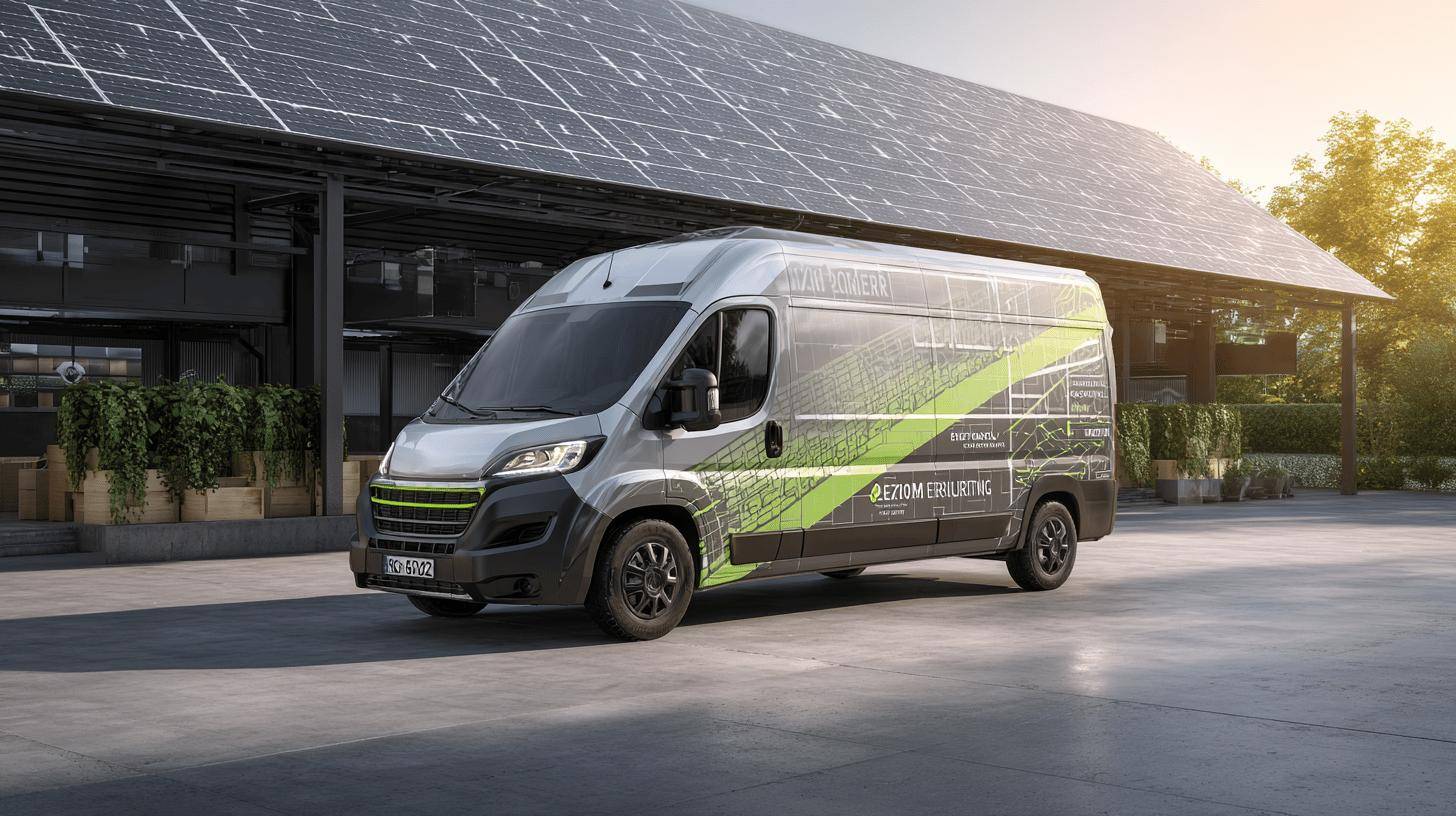
Refrigerated electric vans are pivotal in advancing sustainable transport solutions, significantly reducing carbon footprints compared to their diesel-powered counterparts. These zero-emission refrigeration systems offer a substantial decrease in greenhouse gas emissions, aligning perfectly with modern sustainability goals. As a result, businesses that integrate these vans into their fleets contribute positively towards environmental conservation while maintaining the necessary temperature control for perishable goods. The transition to electric refrigerated vans is not merely a trend but a crucial step towards greener logistics, ensuring that ecological considerations are met without compromising on cargo integrity.
When comparing refrigerated electric vans to traditional diesel-powered models, the environmental impact becomes noticeably advantageous. Electric models inherently produce fewer emissions, which reduces air pollution and supports cleaner urban environments. Furthermore, these vans offer greater operational efficiencies due to their lower energy consumption and reduced maintenance requirements. By eliminating the need for fossil fuels, refrigerated EV vans not only promote green logistics but also provide long-term cost savings for businesses. As companies strive to meet both regulatory standards and customer expectations for eco-friendly practices, the adoption of refrigerated EV vans represents a confluence of operational efficiency and environmental responsibility.
Real-World Applications and Case Studies
Refrigerated electric vehicle (EV) vans are pivotal in industries that rely heavily on maintaining specific temperature ranges during transit. These vans serve as an integral component in refrigerated cargo solutions, ensuring perishable goods are transported safely and efficiently. Industries such as pharmaceuticals, food and beverage, floral, and healthcare benefit significantly from the cold chain solutions provided by refrigerated EV vans. Their ability to consistently maintain the required temperature makes them indispensable in delivering products that must remain fresh or stable throughout the logistics chain. For businesses, this not only ensures compliance with safety standards but also meets customer expectations for quality and reliability.
Case Study: Pharmaceutical Industry Integration
In the pharmaceutical industry, the need for precise temperature control is critical. A leading pharmaceutical company integrated refrigerated EV vans into their distribution network to ensure the safe transportation of temperature-sensitive vaccines and medications. By utilising these vans, the company maintained the integrity of its products across various climate conditions, resulting in a reduction of spoilage rates and enhanced customer trust. This successful integration showcases the vital role refrigerated EV vans play in safeguarding public health by preserving the efficacy of pharmaceuticals during transit.
| Industry | Application |
|---|---|
| Pharmaceuticals | Transporting vaccines and medications |
| Food and Beverage | Delivering fresh produce and dairy products |
| Floral | Ensuring flowers reach destinations in peak condition |
| Healthcare | Distributing temperature-sensitive medical supplies |
Refrigerated EV vans offer exceptional reliability and effectiveness in maintaining cold chain integrity. Their advanced cooling technology ensures that the internal temperature remains stable, regardless of external weather conditions. This capability is crucial for businesses transporting perishables safely, as it provides assurance that goods arrive at their destination in optimal condition. By integrating these vans into their logistics operations, companies can achieve enhanced operational efficiency and sustainability, benefiting both the environment and their bottom line.
Cost Analysis and Economic Viability
Investing in refrigerated electric vans involves a careful consideration of initial costs and potential long-term savings. While the upfront price of these vehicles may be higher compared to traditional diesel-powered alternatives, the operational savings over time can be substantial. Electric refrigeration systems require less maintenance and utilise energy more efficiently, leading to reduced operational costs. Moreover, savings on fuel expenses contribute significantly to offsetting the initial investment. As businesses evaluate these vans, many find that the long-term financial benefits combined with environmental advantages make them a viable option for sustainable growth.
- Reduced fuel expenses: Electric vans eliminate the need for diesel, resulting in lower fuel costs.
- Lower maintenance costs: Fewer moving parts in electric vans mean reduced wear and tear, cutting down on maintenance expenses.
- Tax incentives and subsidies: Many governments offer financial support for eco-friendly vehicles, aiding initial cost reduction.
.
The market for refrigerated electric vans is witnessing significant growth, driven by advancements in technology and the increasing emphasis on sustainable transport solutions. As battery technology continues to improve, the cost of these vehicles is expected to decrease, making them more accessible to a broader range of businesses. This growth trend is likely to continue as more companies recognise the dual benefits of environmental responsibility and economic efficiency. The potential for increased adoption is promising, as refrigerated electric vans offer a compelling combination of cost savings and eco-friendly operation, aligning with both business and environmental goals.
Hygiene and Cleanliness in Refrigerated EV Vans
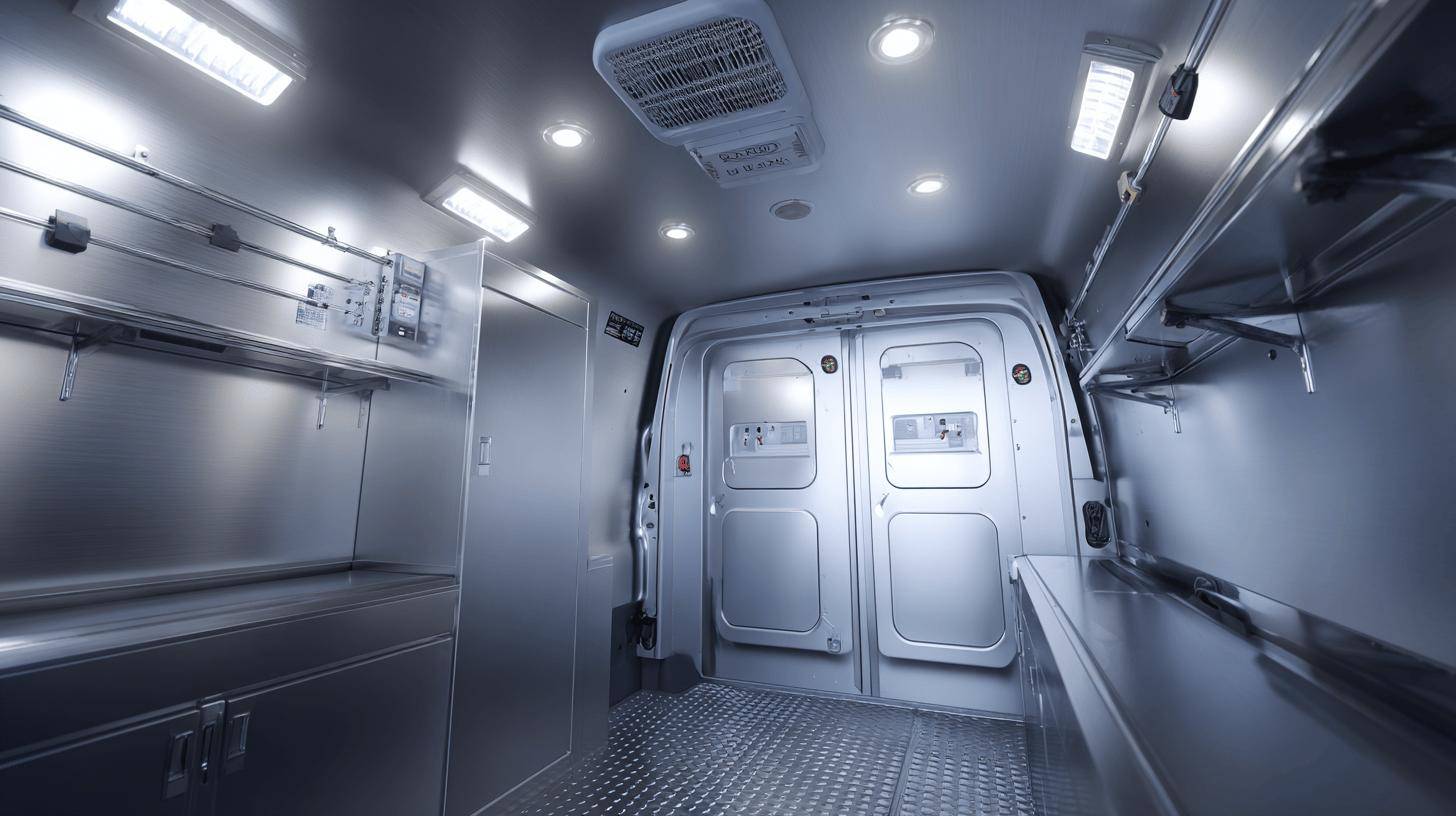
Refrigerated EV vans incorporate several design features that facilitate easy cleaning and sanitation, making them ideal for transporting hygiene-sensitive cargo. What design features facilitate easy cleaning? The use of smooth, non-porous materials in the cargo area ensures that surfaces can be easily wiped down and sanitised, reducing the risk of contamination. Additionally, seamless construction and rounded edges help to eliminate dirt traps, further enhancing cleanliness. These design elements collectively contribute to maintaining a hygienic environment, crucial for the safe transport of perishable goods.
Maintaining high hygiene standards is essential when transporting perishables, as it ensures compliance with health regulations and preserves the quality and safety of the goods. Why are hygiene standards important for transporting perishables? Adhering to these standards prevents the growth and spread of harmful bacteria, which could compromise the cargo. Refrigerated EV vans play a pivotal role in meeting these requirements by offering a controlled environment that supports proper vehicle temperature control. This capability protects the cargo from temperature fluctuations and microbial contamination, ensuring that goods arrive in optimal condition. By leveraging clean transport technology, these vans uphold stringent hygiene standards, safeguarding both the products and the consumers.
Final Words
Refrigerated EV vans have transformed modern logistics by offering precise temperature control and eco-friendly benefits. These vehicles cater to industries ranging from pharmaceuticals to food, ensuring cargo remains within required temperature ranges. Advanced cooling technologies promote consistent temperature during transport, highlighting these vans as sustainable transport solutions.
Refrigerated EV vans reduce carbon footprints while providing economic advantages through long-term savings. They also prioritise hygiene with easy-to-clean designs, adhering to stringent health standards for perishable goods transport.
The future looks promising for refrigerated EV vans, poised to keep cargo cool and clean efficiently.
FAQ
Q: How do refrigerated EV vans keep cargo cool and clean?
A: Refrigerated EV vans utilise advanced cooling systems and easy-to-sanitise materials. These systems ensure consistent temperatures, maintaining cargo quality, while hygienic design ensures cleanliness during transport.
Q: What is the price range for refrigerated EV vans?
A: The price of refrigerated EV vans can vary widely depending on specifications and customisations. However, long-term savings on fuel and maintenance can offset the higher initial cost.
Q: Are electric refrigerated vans available for sale or lease?
A: Electric refrigerated vans are available both for sale and for lease. Leasing options provide businesses with flexibility, whereas purchasing can offer long-term cost benefits.
Q: Why choose electric refrigerated vehicles over traditional options?
A: Electric refrigerated vehicles offer significant sustainability benefits, including reduced carbon emissions. They support zero-emission refrigeration, aligning with green logistics and sustainability goals.
Q: What types of products are commonly transported using refrigerated EV vans?
A: Refrigerated EV vans typically transport pharmaceuticals, fresh produce, dairy products, frozen foods, and temperature-sensitive goods, ensuring they remain within required temperature ranges.
Q: What challenges might one encounter with temperature control in refrigerated EV vans?
A: Challenges include temperature fluctuations during transport, maintaining consistent cooling, limited battery range, and potential downtimes due to technical malfunctions. Future innovations aim to address these issues.
Q: What economic benefits do refrigerated electric vans provide?
A: Refrigerated electric vans reduce operational costs through lower fuel expenses and simpler maintenance needs. They also offer environmental cost benefits by lowering the carbon footprint.
Q: How do refrigerated EV vans ensure hygiene standards?
A: Refrigerated EV vans are designed with easy-to-clean materials, ensuring they meet hygiene standards crucial for transporting perishables. Regular cleaning protocols maintain cleanliness and compliance with health standards.