
What Cars Have Heated Windscreens?
A heated windscreen contains an electrical element within its laminated glass, rather than relying only on warm air from the cabin. When switched on, the element warms the glass and helps remove frost, ice and condensation. The precise…
How heated windscreens work
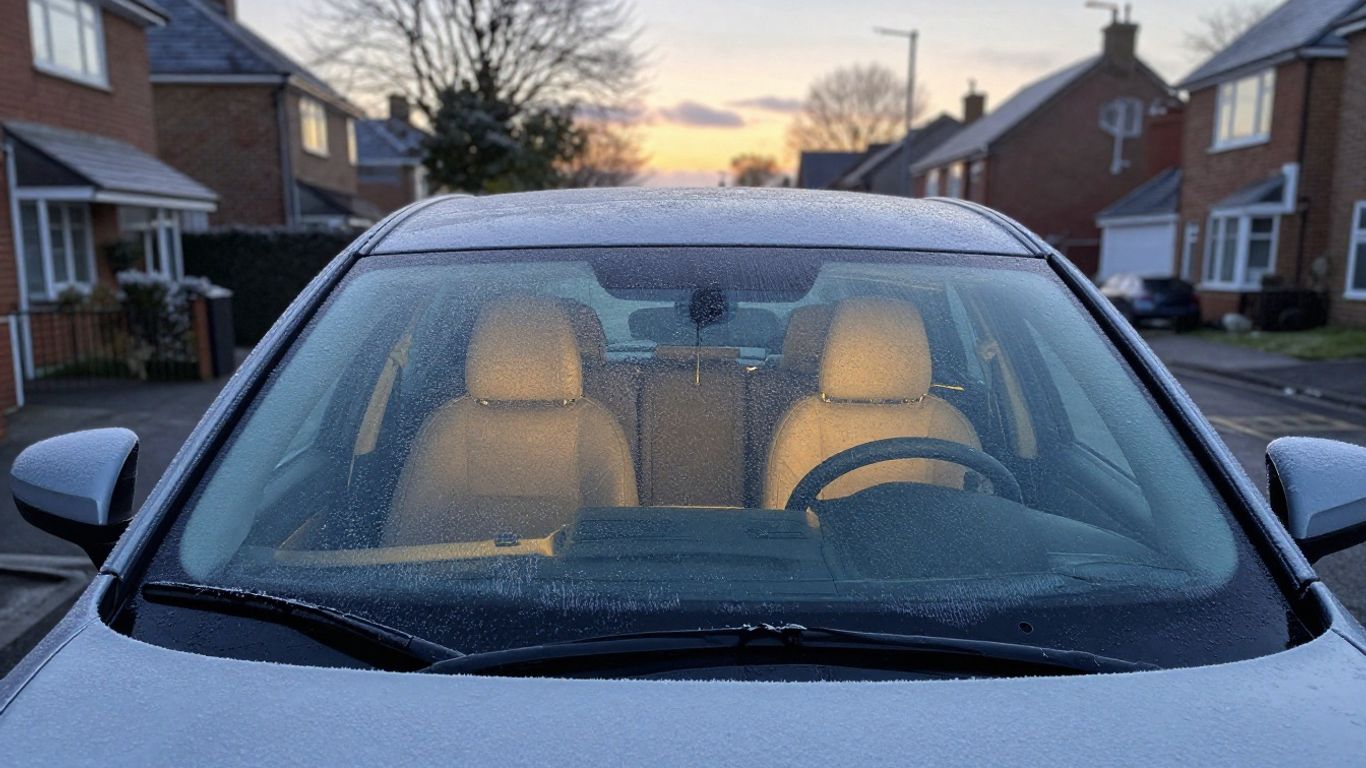
A heated windscreen contains an electrical element within its laminated glass, rather than relying only on warm air from the cabin. When switched on, the element warms the glass and helps remove frost, ice and condensation. The precise design differs between manufacturers, so a heated front screen should be checked as part of the car’s exact specification. This heated windscreen guide explains the basic feature in more detail.
The fine wires or conductive film inside the glass
Most systems use very fine heating wires, while some use a conductive film between the layers of laminated glass. The wires are usually thin enough to be difficult to see from the driving position, although they may become more obvious in certain light. They form a heating grid across the screen, with electrical connections around the edge.
The arrangement is built into the glass during manufacture. It is not the same as an electrically heated rear window, where thicker lines are normally easy to spot. The front screen’s elements are designed to spread heat across the viewing area without creating a major obstruction.
How quickly the windscreen clears ice and mist
The exact clearing time depends on the outside temperature, the amount of ice and the vehicle’s electrical system. In ordinary winter conditions, the screen starts working soon after the dedicated control is pressed, helping the driver clear the glass without scraping every section by hand.
It can also help with internal mist. Because the heat comes directly from the screen, it may clear condensation sooner than waiting for the engine and cabin heater to warm up. Drivers should still wait until visibility is fully restored before moving off.
The difference between a heated windscreen and heated washer jets
These are separate features, despite both being useful in cold weather. A heated windscreen warms the glass itself, whereas heated washer jets warm the fluid or the jet area so that the screenwash is less likely to freeze.
A car can have one feature without the other. Heated washer jets will not melt frost across the windscreen, and a heated windscreen will not prevent frozen washer fluid in an unsuitable reservoir. When comparing winter equipment, check both items rather than assuming one includes the other.
How the system affects visibility and electrical power use
The heating elements are intended to be unobtrusive, but some drivers can see a faint mesh or experience reflections at particular angles. The effect is generally most noticeable when looking towards bright headlights or low winter sun. Clean glass and suitable screenwash remain important even when heating is available.
Heating the screen also uses electrical power. The vehicle may restrict operation, switch the feature off after a period or require the engine to be running, depending on its design. That is one reason the control is normally treated as a short-term de-icing and demisting aid rather than something to leave on continuously.
Car brands known for heated windscreens
Heated front glass has traditionally been associated with a handful of manufacturers, but it is now found across a wider range of cars. Even within one brand, the feature can move between standard equipment, an option and a pack item. The safest approach is to treat a model name as a starting point, not proof that every example has the system.
Ford models with Quickclear heated windscreens
Ford is particularly well known for its Quickclear heated windscreen system, which has appeared on a number of models and equipment levels over the years. The name is useful when searching brochures, advertisements and dashboard controls, but it does not remove the need to check the individual car.
Fiesta and Puma examples are often discussed in connection with the feature, while other Ford models may have offered it depending on their trim and model year. For a used vehicle, look for the button and inspect the screen rather than relying on a general statement about the range.
Jaguar Land Rover models with heated front glass
Jaguar and Land Rover vehicles have also offered heated front glass on selected models and trims. The feature can be especially appealing on a large SUV windscreen, where clearing the whole area manually is awkward on a cold morning.
Availability still depends on the particular vehicle. A Range Rover Evoque or Jaguar I-PACE listing may describe heated glass, but the equipment should be confirmed against the registration details or original specification before purchase.
Other manufacturers offering heated windscreens
Heated windscreens are not limited to Ford, Jaguar or Land Rover. Depending on the market and production year, the equipment has also been offered by manufacturers including Volkswagen Group brands, Volvo, Mercedes-Benz, BMW, MINI, Nissan and SEAT.
That broad availability does not mean the feature is universal. A Volkswagen Golf, for example, should be checked by its exact build and trim rather than assumed to have a heated windscreen simply because similar cars in the range may have one.
Why availability varies between countries and model ranges
Manufacturers adjust equipment for local pricing, customer expectations, regulations and supply arrangements. A trim with heated glass in the UK may have a different equipment list elsewhere, while a facelift can move the feature into a pack or remove it from a lower version.
Used-car adverts can also be imprecise. Words such as “winter pack”, “heated glass” or “heated screen” may refer to different equipment, so the original brochure or build sheet is more reliable than a short sales description.
What cars come with heated windscreens as standard
There is no single permanent list of cars with heated windscreens as standard, because standard equipment changes with trim and model year. Some versions include the feature from the entry point, while others reserve it for more expensive derivatives. A careful check is particularly worthwhile when comparing new and used examples of the same model.
Models and trims where the feature is included
Some cars have included a heated windscreen within particular UK trims, making it part of the vehicle’s standard equipment rather than a separately priced option. Published equipment pages can identify these versions, but they should be read alongside the vehicle’s registration year.
The specification may also differ between body styles. A hatchback, estate and SUV sold under the same family name can have different equipment lists. If the feature is a priority, record the exact trim, engine, body style and model year before comparing prices.
Cars where it is limited to higher-spec versions
On many ranges, heated glass is restricted to upper trims. This is common where the manufacturer positions the feature alongside larger wheels, upgraded interior equipment or additional driver-assistance technology.
A lower-priced car can therefore look almost identical to a higher-spec version while lacking the heated screen. Photos may not reveal the difference, so the trim’s full equipment list matters more than exterior appearance.
How model year and facelift changes affect equipment
A facelift can alter standard equipment without changing the model’s familiar name. Features may become standard, move into an optional pack or disappear when a new generation is introduced. The same trim badge can therefore mean different things in different production years.
When reading an advert, compare the registration date with the relevant brochure, not just a current manufacturer webpage. Older cars may also have been ordered with packages that are no longer available on today’s range.
Checking the exact specification of a used car
For a used car, ask for evidence rather than accepting a generic equipment claim. The most useful sources are the original build sheet, a dealer’s vehicle lookup and a physical inspection of the glass and controls.
A simple checking sequence is:
- Identify the exact model year and trim.
- Look for the front-screen heating button or symbol.
- Inspect the glass for fine elements and edge connections.
- Check the manual for the relevant operating instructions.
This takes only a few minutes and can prevent disappointment after buying. It is also sensible when arranging a lease or comparing available stock, since equipment should be confirmed before a vehicle is selected.
Cars with heated windscreens as an optional extra
For many cars, a heated windscreen is available but not included in the advertised base price. It may be selected on its own, grouped with winter equipment or tied to a higher trim. The wording and cost can change during a model’s production run, so the original order information is valuable.
Windscreen heating within winter or technology packs
A winter pack may combine windscreen heating with heated seats, heated mirrors or other cold-weather equipment. A technology pack might group it with cameras, sensors or upgraded controls instead. The pack name alone does not guarantee that every expected feature is present.
Read the itemised contents before comparing two cars. If the screen is the reason for choosing the pack, make sure “heated front windscreen” appears specifically rather than relying on a broad description such as “winter preparation”.
Differences between factory-fitted and dealer-installed options
Factory-fitted heating is designed around the vehicle’s original wiring, switches and control software. A dealer-installed replacement may be possible, but it must use compatible glass and integrate safely with the car’s electrical systems.
These are not always interchangeable choices. Ask who supplied the glass, whether the installation is approved for that vehicle and what warranty covers the work. A replacement windscreen fitted after delivery may also need separate camera calibration.
How the option may affect the car’s price and equipment
An optional heated screen increases the initial price, although the amount depends on the model and whether it is bundled into a larger pack. It may also make a particular used car more attractive in winter, but optional equipment should not be valued in isolation.
For anyone comparing flexible vehicle access, the wider package matters too. A flexible leasing range can make it easier to compare available vehicles, monthly pricing and contract choices, while the screen itself still needs to be confirmed in the vehicle specification.
What to check in the vehicle’s build sheet
A build sheet should state the option clearly, often with a manufacturer code or a precise equipment description. Keep a copy of it alongside the sales or lease paperwork, especially if the advert uses shorthand.
A useful comparison table can separate what is confirmed from what still needs checking:
| Specification point | What to look for | Why it matters |
|---|---|---|
| Front windscreen | Heated front windscreen wording | Confirms the main feature |
| Washer system | Heated washer jets listed separately | Avoids confusing two different features |
| Driver assistance | Camera or sensor equipment | May affect replacement requirements |
| Controls | Dedicated switch or menu setting | Helps confirm the feature in the car |
The table is a prompt for a practical inspection, not a substitute for the original manufacturer record. If the wording remains unclear, ask the supplying dealer to confirm it in writing.
How to tell whether a car has a heated windscreen
A heated windscreen is usually easy to confirm once you know where to look. The most reliable checks combine the physical glass with the dashboard controls and the vehicle documentation. Do not test it by switching buttons at random, particularly if the windscreen is already warm or the engine is not running.
Identifying the fine heating elements in the glass
Stand outside the car in good daylight and look across the windscreen at an angle. A fine mesh or closely spaced lines may be visible, often more clearly near the lower edge or sides of the glass. The elements can be subtle, so reflections should not be mistaken for proof.
Compare the glass with a known ordinary windscreen if possible. A windscreen specialist can also identify the glass markings and confirm whether it is the correct heated version for the vehicle.
Finding the dedicated button or dashboard symbol
The control is often located near the demisting controls or the heated rear-window button. Its symbol may show a windscreen outline with upward heat or air-flow lines, although layouts differ between models.
Pressing the control may illuminate a light or display a message on the instrument panel. The rear-window button normally has a different rectangle-shaped symbol, so check the manual if the two controls look similar.
Checking the owner’s manual and vehicle settings
The owner’s manual should explain the symbol, operating conditions and any automatic shut-off. Newer cars may place the function within a touchscreen climate menu instead of using a separate physical button.
Search the manual for terms such as “heated windscreen”, “front screen heating” or “Quickclear”. If a menu option is present, it should appear even when the feature is not currently active, though exact wording varies.
Confirming the feature with a dealer or registration details
A dealer can check the vehicle identification number against the original build record. This is particularly useful when a used-car advert lists a feature without showing the dashboard or windscreen clearly.
Registration details can help identify the exact derivative, but they may not show every factory option. For confidence, combine the registration lookup with the build sheet, manual and visual inspection. That approach is more dependable than judging from the model badge alone.
Benefits and drawbacks of heated windscreens
For drivers who regularly park outside, the appeal is obvious: less scraping, quicker clearing and a better chance of starting a journey with a fully visible screen. The feature is also useful in wet weather when condensation forms inside the car. There are, however, practical compromises involving cost, visibility preferences and replacement glass.
Faster ice removal on cold mornings
The main benefit is reducing the time spent removing frost and thin ice. Heat is delivered across the screen rather than only from the air vents, so the driver does not have to wait for the cabin to become warm before clearing the glass.
It is still good practice to remove heavy snow first and use proper de-icer where necessary. Never pour boiling water over the windscreen, as a sudden temperature change can damage the glass.
Clearing condensation and improving visibility
A heated front screen can clear internal mist quickly, helping restore a clean view in damp or cold conditions. That is useful when several people have entered the vehicle or when moisture has built up overnight.
Visibility should always take priority over convenience. The system is an aid, not permission to drive with partially obscured glass, and it works best alongside ventilation, air conditioning and a clean interior screen.
Potential issues with visible wires or glare
Some people notice the heating mesh more than others. In bright sunlight or when facing oncoming headlights, the fine elements can create reflections or a faint visual pattern. Most drivers adapt quickly, but a short test drive is sensible if you are particularly sensitive to glare.
The screen can also be more expensive than a standard replacement. That does not make it a poor feature, but it is part of the ownership cost that should be understood before choosing a car.
Windscreen replacement and insurance considerations
If a heated windscreen is damaged, the replacement must match the vehicle’s specification. Fitting ordinary glass may remove the heating function, while incorrect glass can create problems with sensors, cameras or trim.
Check your insurance policy for glass cover, excesses and approved repairers. Tell the repairer that the car has a heated front screen before work begins, and confirm whether any camera or driver-assistance calibration is included.
Can a heated windscreen be retrofitted?
Retrofitting can be possible, but it is rarely as simple as swapping one piece of glass for another. The replacement screen, wiring, controls and vehicle software all need to work together. In many cases, the cost and complexity make a factory-equipped car the more straightforward choice.
When a replacement heated windscreen is technically compatible
The first question is whether the manufacturer made a heated version for that exact body shell and model year. The glass must match the mounting points, sensors, camera window, tint and heating connections.
A specialist should check the vehicle identification number and the glass catalogue before ordering anything. A screen that physically fits may still lack the correct electrical connections or camera features.
Required wiring, switches and control modules
A compatible screen alone will not usually activate the system. The vehicle may need wiring looms, relays, a dedicated switch, fuses and a control module, along with software coding or configuration.
The installer should explain what parts are required and whether they are original, approved alternatives. Poorly planned wiring can create reliability or safety concerns, so this is not an appropriate do-it-yourself electrical modification.
Calibration of cameras and driver assistance systems
Many modern windscreens sit in front of cameras or sensors used by driver-assistance systems. Removing and replacing the glass can alter their position, even when the camera itself has not been touched.
Calibration may therefore be required after installation. Ask for a written record that the relevant systems have been checked and calibrated, and make sure the replacement glass has the correct optical properties for the camera.
Comparing retrofit costs with choosing a factory-equipped car
Get a complete quote covering the heated screen, wiring, controls, labour, coding and any camera calibration. Also ask about the warranty and what happens if the heating does not operate correctly after fitting.
For many buyers, choosing a car that already includes the feature is simpler and easier to price. If you are comparing available vehicles, Volkswagen lease options can provide a starting point for reviewing current cars, although each vehicle’s heated-screen specification still needs separate confirmation.
Ready to Choose Your Car?
If a heated windscreen is on your wish list, First Flexi Lease can help you compare available cars and flexible contract options without making the process unnecessarily complicated. Explore vehicle options and ask for the exact equipment details before committing.
Conclusion
Heated windscreens are a useful winter feature, but availability depends on the car’s precise trim, model year, market and options. Check the glass, controls and paperwork together, and consider replacement and retrofit costs as part of the wider ownership decision.
Frequently asked questions
Do all cars have heated windscreens?
How can I tell if my car has a heated windscreen?
Are heated windscreens the same as heated washer jets?
Can a heated windscreen clear condensation?
Are the heating wires easy to see?
Can any windscreen be replaced with a heated version?
Is a heated windscreen worth having on a used car?
Reviewed by
Billy Lang, Director
FCA Registration No: 835008
Keep reading
Related guides
Vehicle guides
Are 1.0-litre turbo engines any good?
How three-cylinder 1.0 turbo engines manage the pace of a bigger engine on small-car running costs, where they struggle, and which ones have proven themselves.
Read guideVehicle guides
Audi A1: Perfect First Car
The Audi A1 can make a polished, manageable first car, but the right example matters more than the badge. Think carefully about insurance, servicing, space and the condition of any used model before committing. Compact dimensions make the A1 comfortable in town and easier to park. The premium cabin and technology are appealing,…
Read guideVehicle guides
Are Alfa Romeo Cars Reliable?
Whether Alfa Romeo cars are reliable depends less on the badge alone and more on the model, engine, age and care it has received. Newer Alfa Romeo models can be enjoyable and dependable when serviced correctly. Electrical warnings, battery issues and wear to suspension components are common ownership concerns. A complete service history…
Read guideReady when you are
Put the reading into practice.
A soft credit check via Creditsafe takes minutes. It does not normally affect your credit score the same way as a full lending application — and you get an honest answer either way.
Request a Flexi Quote
Quick form. Tell us which flexi stock you are interested in and we'll call you back the same day.
