
Are Alfa Romeo Cars Reliable?
Reliability is not one simple pass-or-fail judgement. It covers how often a car develops faults, how disruptive those faults are and how much it costs to put them right. A car can be dependable in daily use yet still be expensive when a…
What reliability means for Alfa Romeo cars
Reliability is not one simple pass-or-fail judgement. It covers how often a car develops faults, how disruptive those faults are and how much it costs to put them right. A car can be dependable in daily use yet still be expensive when a less common component fails.
That is why the question “are Alfa Romeo cars reliable?” needs a little context. The answer can change between a carefully maintained newer car and an older example with gaps in its history.
How reliability is measured by owners and industry surveys
Owner surveys usually ask about faults experienced over a defined period, often separating mechanical failures from electrical or trim issues. Warranty and claims data can add another perspective because it records repairs rather than impressions, although it may be influenced by the age, mileage and type of vehicles covered. MotorEasy reliability data is one useful example of a claims-based approach, but no single survey can predict exactly what will happen to an individual car.
A strong survey result is encouraging, but it should not replace a vehicle-specific inspection. Some owners may report a minor infotainment fault in the same way that another reports a serious engine problem, even though the practical consequences are very different.
The difference between dependability, repair costs and driving enjoyment
Dependability means getting to work, school or the motorway without unexpected interruptions. Repair cost is a separate question: a car may suffer few faults, but a specialist part or complicated diagnostic process can still produce a sizeable bill. Driving enjoyment is separate again, and it is often one of the reasons people consider an Alfa Romeo in the first place.
The sensible comparison is therefore not simply “reliable” or “unreliable”. Consider the frequency of problems, the severity of likely repairs, the availability of suitable specialists and whether the car’s character justifies its running costs for you. The ownership pattern matters most when deciding if the compromise feels worthwhile.
Why maintenance history matters more than brand reputation
A reputation follows a brand for years, while a car’s service record tells you what has actually happened to that particular vehicle. Regular oil changes, correct fluids, timely belt work and documented repairs give a buyer much more useful evidence than an online argument about Italian cars.
Poor maintenance can make almost any sophisticated car troublesome. Delayed servicing may allow small problems to become larger ones, while a weak battery can trigger several apparently unrelated warning messages. A clean history does not guarantee fault-free motoring, but it reduces avoidable risk.
How newer Alfa Romeo models compare with older generations
Older generations may have accumulated age-related problems involving rubber components, wiring, cooling systems and suspension. They can also have a thinner supply of original parts or fewer technicians familiar with their specific systems. Newer cars benefit from updated hardware and software, but they contain more electronic equipment and increasingly complex drivetrains.
The result is not a straight line from old to new. A well-kept older car can be more predictable than a neglected newer one, while a late model may offer a better ownership experience if recalls and software updates have been completed. Always judge the individual car alongside its model year.
Are Alfa Romeo cars reliable across the current range?
The current range has included the Giulia saloon, Stelvio SUV and Tonale crossover, each aimed at a slightly different buyer. Reviews of the current Alfa Romeo range often highlight the cars’ design and driving appeal, but those qualities should be considered alongside servicing needs and ownership costs. The right model for one driver may be the wrong one for another.
A test drive can reveal how a car feels, but it cannot show whether previous servicing was missed or whether an intermittent warning is waiting to return. That is why model knowledge and paperwork matter as much as first impressions.
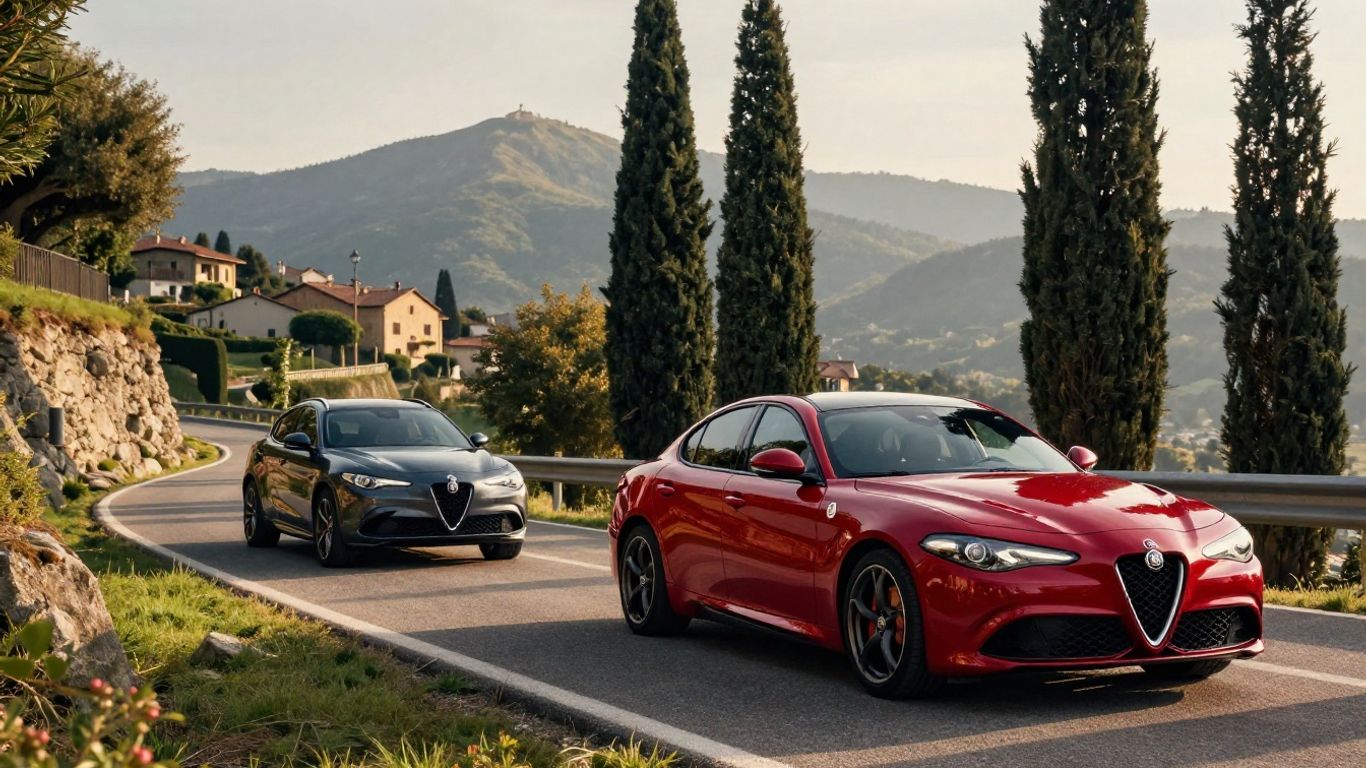
Alfa Romeo Giulia reliability and common ownership concerns
The Giulia is a compact executive saloon with a strong emphasis on handling and response. Owners may be more concerned by electrical warnings, battery condition, suspension wear and the cost of specialist diagnostics than by a single universal mechanical weakness. As with any used executive car, specification and previous use can make a large difference.
A Giulia that has covered many short journeys may need closer attention to its battery and electronic systems than one used regularly on longer trips. Performance variants also deserve a larger financial safety margin because their brakes, tyres and engine-related components can be costly.
Alfa Romeo Stelvio reliability and SUV-specific issues
The Stelvio shares much of its engineering character with the Giulia but adds the weight, height and practicality of an SUV. Check the condition of suspension components, tyres and brakes carefully, particularly if the vehicle has spent time on poor roads or has been driven enthusiastically. Four-wheel-drive versions introduce additional hardware that should operate smoothly and be supported by appropriate maintenance records.
The large tailgate, parking sensors, cameras and cabin electronics also create more opportunities for age or water ingress to cause an annoying fault. None of these checks is unique to this model, but they are easy to overlook when the focus is on its styling and driving position.
Alfa Romeo Tonale reliability and hybrid technology
The Tonale brings newer electronic systems and hybrid technology into the range. That can improve efficiency and refinement, but it also means buyers should understand the condition of the high-voltage system, charging equipment where fitted and the interaction between petrol and electric assistance. A warning light should never be dismissed simply because the car still drives normally.
Ask for evidence of scheduled servicing and software updates, then check that the transition between driving modes feels smooth. Hybrid ownership is not automatically troublesome, though repairs can require trained technicians and suitable diagnostic equipment.
How engines, gearboxes and four-wheel-drive systems affect dependability
An engine’s output, cooling demands and service requirements all influence long-term dependability. Automatic gearboxes should change ratios cleanly when cold and warm, without hesitation, shuddering or unexplained noises. A diesel used mainly for short urban journeys may also face different emissions-system demands from a petrol car used for longer distances.
Four-wheel-drive systems add traction and capability, but they also add components, fluids and potential repair points. This does not make them a poor choice; it simply makes a complete maintenance record more valuable. Match the drivetrain to your actual driving rather than paying for complexity you rarely need.
Common problems reported by Alfa Romeo owners
Reported problems vary by model, age and market, so a list of possible faults should not be mistaken for a prediction. Many issues are frustrating rather than catastrophic, but repeated warning lights can make a car feel unreliable even when the underlying repair is relatively straightforward. The most useful response is prompt diagnosis rather than replacing parts at random.
A prospective owner should also distinguish a known technical update from a neglected repair. A car that has had a problem properly resolved may be a better purchase than one with no record because its owner never investigated an intermittent symptom.
Electrical faults, warning lights and infotainment glitches
Modern cars rely on networks of sensors and control modules, so a low voltage event or loose connection can produce several warnings at once. Owners may encounter intermittent parking sensor faults, screen freezes, camera problems or dashboard messages that disappear after a restart. The visible symptom does not always identify the failed component.
Check that every switch, display, camera and driver-assistance feature works during a viewing. If a warning appears, obtain a proper diagnostic report before agreeing a price. Clearing the message without finding the cause is not a repair.
Battery, charging and software-related issues
A tired 12-volt battery is a common source of confusion in cars with substantial electronic content. Repeated short journeys, long periods parked and cold weather can all expose a marginal battery. Charging faults and software glitches can look similar at first, so testing should establish whether the problem is the battery, charging system or a control module.
The age of the battery, the car’s usage pattern and evidence of updates are worth recording. Replacing a battery may solve the immediate issue, but any recurring fault should be investigated rather than repeatedly reset.
Suspension, steering and brake wear
Firmly tuned suspension, larger wheels and rough roads can accelerate wear to bushes, links, dampers and tyres. Uneven tyre wear may point to alignment or suspension trouble, while a knock over a pothole deserves attention even if the steering still feels precise. Brake discs and pads are normal wear items, but replacement costs rise with larger or performance-oriented setups.
During a drive, listen for knocks, feel for vibration under braking and check whether the car tracks straight. A specialist can inspect the underside more effectively than a buyer crouching beside the kerb.
Engine, gearbox and emissions-system problems
Engine faults can range from leaks and sensor failures to more serious issues caused by missed servicing or overheating. Gearbox symptoms include delayed engagement, harsh changes and unusual noises, while emissions equipment on diesel models may need particular care if the car has been used almost entirely for short journeys.
A cold start is useful because it reveals noises and hesitation that may be hidden once the engine is warm. Ask the seller not to run the car before arrival if possible, and check that the engine reaches normal temperature without warning messages.
How recall history and technical updates can affect ownership
Recalls and technical campaigns exist to address identified safety or durability concerns. Their presence is not automatically a reason to reject a car; the key question is whether the required work was completed correctly. Use the vehicle identification number to check outstanding actions with the manufacturer or an authorised retailer.
Keep invoices and campaign confirmations with the service file. A future buyer will have greater confidence when there is a clear trail, and a workshop can avoid repeating work that has already been carried out.
How much does it cost to maintain an Alfa Romeo?
Maintenance costs depend on mileage, engine, trim, location and the quality of work carried out. Routine servicing is predictable enough to budget for, while tyres, brakes, batteries and unexpected electrical diagnosis create more variation. A realistic ownership calculation should include both regular bills and a reserve for occasional repairs.
Leasing can appeal to drivers who prefer a fixed monthly commitment rather than taking on depreciation and future repair risk themselves. For example, flexible vehicle access can provide a different way to budget for a newer car, although the agreement’s mileage, maintenance and return conditions must be read carefully.
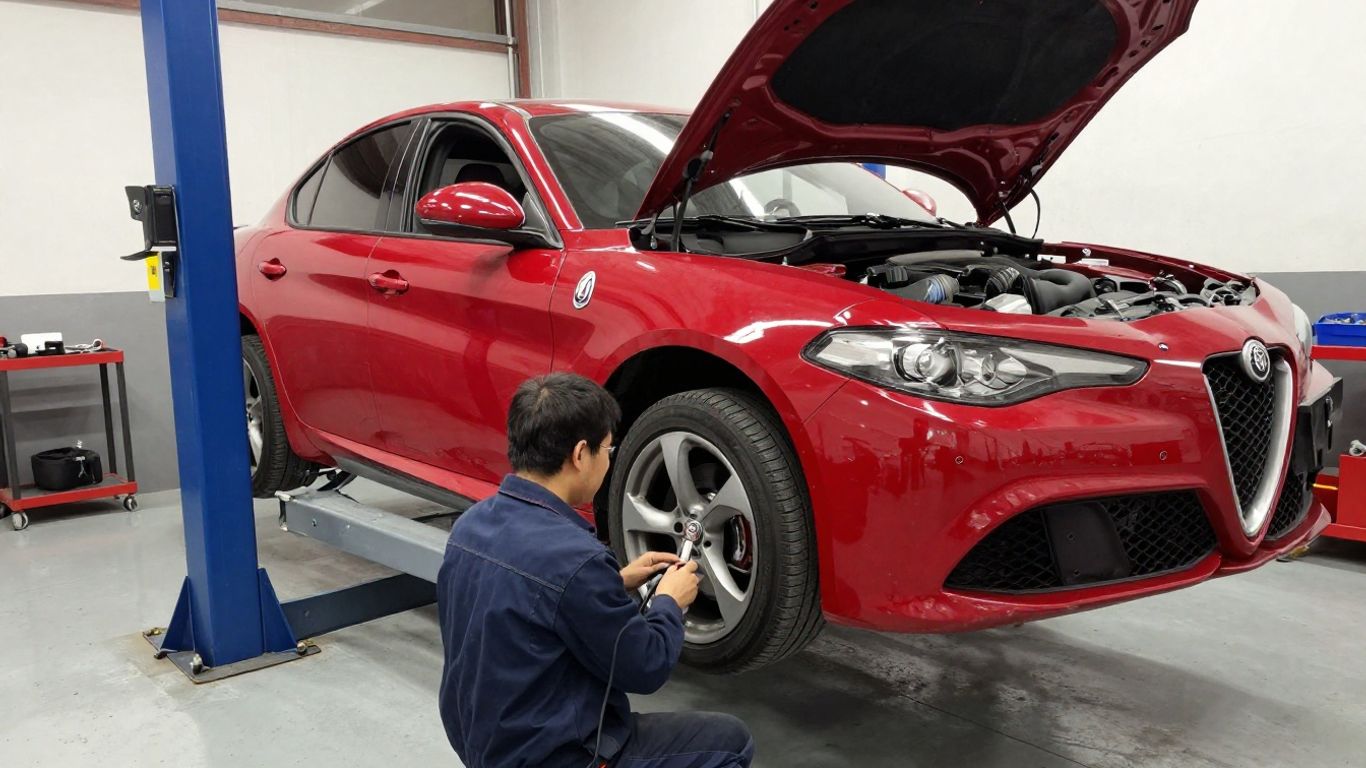
Typical servicing requirements and recommended intervals
Follow the schedule for the exact engine and model year rather than relying on a generic internet interval. The schedule may include oil and filter replacement, inspections, brake checks and replacement of time-sensitive components. Cars used for towing, frequent short journeys or heavy traffic may need more frequent attention than a lightly used example.
A service record should show dates, mileage and the work completed. Stamps without invoices are better than nothing, but detailed receipts make it easier to confirm that the right parts and fluids were used.
Parts, labour and specialist repair costs
Main-dealer labour rates are usually higher, while an independent specialist may offer competitive pricing and useful model knowledge. The cheapest quote is not always the best value if it uses unsuitable parts or fails to identify the original cause of a fault. Ask whether a quote includes diagnostics, VAT, programming and any required calibration.
Before buying, obtain sample prices for a service, front brakes, a battery and a likely diagnostic visit. These figures will not predict every bill, but they turn vague anxiety into a more practical budget.
The impact of performance engines and premium equipment
Performance engines place greater demands on oil, cooling, tyres and brakes. Premium options such as adaptive dampers, advanced lighting, powered seats and camera systems can also add to replacement costs when they age. A high specification is attractive, but it is sensible to check that every feature works before purchase.
Insurance, fuel and tyre costs belong in the same calculation. Someone who wants a relatively calm and inexpensive ownership experience may be happier with a simpler engine and wheel combination than with the most powerful version.
Warranty, breakdown cover and servicing plans
A manufacturer warranty can reduce the financial effect of eligible faults, but exclusions, claim limits and servicing conditions matter. Breakdown cover helps with being stranded; it does not necessarily pay for the underlying repair. Servicing plans may make routine bills easier to spread, but compare the included work with the car’s actual schedule.
Read the terms before treating cover as a substitute for a maintenance reserve. A plan is most useful when its limits and renewal arrangements are clear.
How reliability affects depreciation and resale value
Perceived reliability influences the number of buyers willing to consider a used car, which can affect depreciation. Strong documentation, good tyres, clean bodywork and evidence that recalls were completed help counter uncertainty. A car with a lower purchase price is not necessarily cheaper if it needs immediate repairs.
For drivers who do not want to carry depreciation risk, a fixed package can be worth comparing with ownership. First Flexi Lease offers flexible car and van leasing through fixed monthly rentals, with contracts described as ranging from six to 48 months; the suitability depends on mileage and the agreed terms.
Are Alfa Romeo cars reliable as used cars?
A used Alfa Romeo can make sense when the price, condition and maintenance record line up. The badge may attract buyers who value distinctive design and enjoyable handling, while the used market can make higher specifications more accessible. That appeal needs to be balanced against age-related repairs and the possibility of a more complicated ownership experience.
Do not buy on reputation, either positive or negative. Inspect the car in front of you, verify its history and leave room in the budget for work that cannot be seen from the driver’s seat.
Which model years and engines deserve closer attention
There is no single model year that automatically guarantees a good or bad purchase. Early examples of a new model or powertrain deserve especially careful research because manufacturers may refine software and hardware during a model’s life. Later examples may benefit from those changes, but condition remains decisive.
Compare the exact engine, gearbox and equipment rather than searching only by badge. A lower-powered, less complex version may be easier to maintain than a highly specified performance model, even when both carry the same model name.
What to check in a used Alfa Romeo’s service history
Look for consistent mileage progression, annual entries where appropriate, itemised invoices and evidence of major scheduled work. Confirm that oil services were not simply recorded as “inspection” and check whether tyres, brakes and batteries have been replaced recently. If the car has a timing belt or other age-related service requirement, verify the date and mileage of the work.
A useful history should answer practical questions rather than merely make the file look thick. Contact the garage named on significant invoices if the seller gives permission and the paperwork appears unclear.
Signs of neglected maintenance during a test drive
A cold engine should start promptly and settle into a steady idle. The clutch, if fitted, should engage consistently, the automatic gearbox should not thump into drive and the brakes should feel even. Warning messages, mismatched tyres, damaged wheels and fluid stains all deserve explanation.
Use the test drive to check the basics:
- Start the car from cold and listen for unusual rattles.
- Test every display, camera, sensor and electrical switch.
- Drive over a variety of surfaces and listen for suspension knocks.
- Brake progressively and check for vibration or pulling.
These checks cannot replace a workshop inspection, but they can stop a buyer from overlooking obvious clues. If the seller refuses a cold start or an independent inspection, walk away unless there is a compelling reason to accept the risk.
Independent inspection, diagnostics and recall checks
An independent inspection is money well spent on a complex used car. A technician can raise the vehicle, inspect leaks and corrosion, read stored fault codes and assess whether wear items are close to replacement. A diagnostic scan should be performed properly, not just used to erase warning lights.
Recall checks complete the picture. Ask for the vehicle identification number, confirm outstanding work and keep the result with your purchase documents. The cost of an inspection is small compared with the potential cost of discovering a serious problem after completion.
Choosing between an approved used car and a private sale
An approved used car may offer a prepared vehicle, limited warranty and clearer retailer support, although the price is often higher. A private sale can provide better value and a more direct conversation with the owner, but the buyer usually carries more responsibility for checking condition and resolving faults.
Whichever route you choose, compare like with like. A cheaper private car is not a bargain if it needs tyres, brakes, servicing and diagnostic work immediately, while a retailer warranty is only useful if its terms genuinely cover the risks you are concerned about.
How Alfa Romeo reliability compares with rivals
Reliability comparisons are most useful when they reflect the buyer’s priorities. A car that is slightly more expensive to maintain may still be attractive if its handling, styling or specification matters greatly. Conversely, a driver who wants the lowest possible chance of an unexpected bill may reasonably choose a less characterful alternative.
The comparisons below are broad rather than absolute. Model, engine, age and service history can matter more than the manufacturer badge.
Alfa Romeo versus BMW and Mercedes-Benz
BMW and Mercedes-Benz offer a similar combination of premium positioning, performance and sophisticated equipment. Their repair costs can also be high once warranties expire, particularly where powerful engines, advanced suspension or extensive electronics are involved. An Alfa Romeo may feel more distinctive, but the financial difference is not always as large as brand stereotypes suggest.
Compare the specific cars on service records, tyres, brakes and warranty status. A carefully maintained example from any of these brands is preferable to a neglected car with an apparently safer reputation.
Alfa Romeo versus Audi and Volvo
Audi and Volvo appeal to buyers seeking premium design, comfort and technology, while an Alfa Romeo may prioritise a more engaging driving feel. Each can contain complex electronic and driver-assistance systems that require specialist diagnostics. Diesel emissions equipment and automatic gearboxes deserve particular scrutiny across the group.
Think about the local repair network as well as survey rankings. A trusted independent garage nearby may make one model much easier to own than another whose specialist support is inconvenient or expensive.
Alfa Romeo versus Lexus and Japanese alternatives
Lexus and some Japanese alternatives are often considered by buyers who place predictable running costs above outright driving character. They may be the more natural choice for someone who wants low-intervention motoring, though every used car still needs a history check and inspection. An Alfa Romeo can appeal more strongly to a driver who values steering feel, design and individuality.
There is no wrong answer if the trade-off is understood. The mistake is buying an expressive performance-oriented car while budgeting as though it were a basic commuter.
Comparing reliability ratings with driving appeal and specification
A reliability rating gives useful direction, but it does not measure every quality that makes a car satisfying. Consider comfort, cabin layout, fuel use, insurance, practicality, parts availability and the driving experience alongside the fault data. A model with a middling score may still be the right choice for a buyer who accepts its maintenance profile.
Make a shortlist and compare actual examples. This is more meaningful than treating a manufacturer ranking as a guarantee for every car wearing that badge.
When a rival may be a better choice for low-cost ownership
Choose a rival when your main objective is low and predictable expenditure, when you cover high annual mileage or when access to a specialist is limited. A simpler drivetrain, smaller wheels and a strong local service network can matter more than a small difference in purchase price. Drivers who change cars frequently may also prefer a newer vehicle with clearer warranty cover.
For people who need flexibility rather than long-term ownership, First Flexi Lease provides an alternative route with fixed monthly rentals and terms that can be selected around the vehicle and intended use. It is still essential to check mileage, maintenance arrangements and end-of-term conditions before committing.
How to make an Alfa Romeo more reliable
Good ownership is mostly consistent, preventative and slightly boring. Use the right schedule, respond to warning signs early and keep records that another technician can understand. These habits will not prevent every fault, but they can reduce avoidable failures and make genuine problems easier to diagnose.
They also make the car easier to sell later. A future buyer can see how it was maintained rather than having to guess.
Following the correct servicing schedule
Use the schedule for your exact model, engine and registration year. Do not stretch oil changes simply because the car appears to be running well, and do not ignore time-based work because the mileage is low. Tell the servicing garage how the car is used so it can identify severe-service conditions.
Keep invoices, inspection sheets and parts information together. A digital folder backed up online is useful, especially if the car changes hands or a warranty claim is needed.
Using reputable specialists and genuine-quality parts
Choose a workshop that understands the car’s systems and can access appropriate diagnostic equipment. Original parts may be suitable in some cases, while reputable aftermarket alternatives can be perfectly reasonable in others; the key is correct specification and reliable quality. Ask for an explanation when a repair recommendation is expensive or unclear.
A good specialist should be willing to distinguish urgent safety work from work that can be planned. That makes maintenance more manageable and avoids replacing parts simply because a warning light is inconvenient.
Replacing batteries and wear items before they fail
Batteries, tyres, brake components and suspension parts are not surprises; they have a finite service life. Testing them before they fail can prevent a breakdown and allow you to choose when the work is done. Replace tyres as a matched, suitable set where needed and keep pressures correct.
Do not wait for a harsh brake pedal, repeated battery warning or loud suspension knock. Small symptoms are usually easier and cheaper to investigate than a chain of secondary faults.
Keeping software, recalls and maintenance records up to date
Ask an authorised retailer or suitably equipped specialist whether technical updates and recall work are outstanding. Install approved software updates where recommended, but make sure the vehicle’s battery is stable during the process. Record the date, mileage and work completed.
A simple maintenance log can include:
- The date and mileage of every service.
- Battery, tyre, brake and suspension replacements.
- Diagnostic reports and warning-light repairs.
- Recall or technical campaign completion details.
This record helps a technician see patterns that may otherwise be missed. It also gives a buyer confidence that maintenance was planned rather than carried out only after a breakdown.
Deciding whether Alfa Romeo ownership suits your priorities
The right question is not whether every Alfa Romeo is reliable. Ask whether you are comfortable with the likely servicing, specialist support and repair budget in return for the design and driving qualities you value. If you want simple, low-cost transport above all else, another type of vehicle may suit you better.
If you enjoy the car and buy a well-maintained example, ownership can be rewarding. Budget honestly, inspect carefully and choose based on evidence rather than an old joke or an overly enthusiastic promise.
Conclusion
Alfa Romeo cars can be reliable, but they reward informed buying and disciplined maintenance more than blind optimism. Model, age, drivetrain and service history all matter, so inspect the individual vehicle and budget for premium-car running costs before deciding whether its distinctive character is right for you.
Frequently asked questions
Are Alfa Romeo cars reliable?
Are Alfa Romeo cars expensive to maintain?
Which Alfa Romeo models are available?
Is an Alfa Romeo a good used car?
What should I check before buying a used car?
Do Alfa Romeo cars hold their value?
Is leasing better than buying?
Reviewed by
Billy Lang, Director
FCA Registration No: 835008
Keep reading
Related guides
Vehicle guides
Are 1.0-litre turbo engines any good?
How three-cylinder 1.0 turbo engines manage the pace of a bigger engine on small-car running costs, where they struggle, and which ones have proven themselves.
Read guideVehicle guides
Audi A1: Perfect First Car
The Audi A1 can make a polished, manageable first car, but the right example matters more than the badge. Think carefully about insurance, servicing, space and the condition of any used model before committing. Compact dimensions make the A1 comfortable in town and easier to park. The premium cabin and technology are appealing,…
Read guideVehicle guides
Car Engine Warning Lights Meanings (UK)
Dashboard lights are not all emergencies, but they should never be ignored without checking what they mean. The safest response depends on the colour, whether the light is flashing, and how the car feels. Red warning lights usually require you to stop as soon as it is safe. An amber engine light needs…
Read guideReady when you are
Put the reading into practice.
A soft credit check via Creditsafe takes minutes. It does not normally affect your credit score the same way as a full lending application — and you get an honest answer either way.
Request a Flexi Quote
Quick form. Tell us which flexi stock you are interested in and we'll call you back the same day.
