
Rent to Buy: Flexible Van Leasing
Rent to buy van leasing can offer a route to using a van now while keeping open the possibility of owning it later. It sits between a conventional rental arrangement and an outright purchase, so the details matter. Before comparing offers,…
Understanding rent to buy van leasing
Rent to buy van leasing can offer a route to using a van now while keeping open the possibility of owning it later. It sits between a conventional rental arrangement and an outright purchase, so the details matter. Before comparing offers, understand what you pay, what you are responsible for and what happens at the end.
How the rent-to-buy model works
With a rent-to-buy agreement, you normally pay an initial amount followed by regular payments for an agreed period. The contract may include a final payment, often called a balloon, which must be paid if you want ownership to pass to you. Some agreements may also allow you to return the van or refinance that final amount, but never assume those options apply without checking the written terms.
A useful starting point is to separate the three stages: choosing the vehicle, making the scheduled payments and deciding what to do at the end. The Rent to Buy option describes a flexible vehicle finance agreement with lower monthly payments and a large final balloon payment, with ownership available if that balloon is paid.
The difference between renting, leasing and buying outright
A standard rental is usually focused on temporary use, with the vehicle returned after the agreed period. A lease generally gives you use of a vehicle for fixed payments and set conditions, but it does not normally make you the owner. Buying outright requires more capital at the start, but the vehicle belongs to you immediately and there is no finance agreement controlling its use.
Rent to buy combines regular use with an ownership route. That can make the monthly figure look lower than a purchase loan, while the total commitment may be higher once the final payment is included. For a broader explanation of fixed payments and contract choices, this van leasing guide can help you compare the basic structures.
Who this type of van finance may suit
This arrangement may suit a self-employed tradesperson, courier or small business that needs a dependable van but wants to preserve working capital. It can also appeal to someone who expects to keep the vehicle beyond the agreement, provided the final payment is realistic. It is less suitable if your work may stop suddenly or if you are unlikely to have a plan for the end-of-term balance.
The key question is not simply whether you can manage this month’s payment. Ask whether the whole arrangement remains comfortable during quieter periods, and whether the van will still suit your work when ownership becomes available.
Common terms used in rent-to-buy agreements
Providers may use different language for similar parts of an agreement. Initial rental refers to the amount paid at the start, while the regular rental is the recurring payment. The balloon or final payment is the amount due at the end if ownership is to transfer; mileage, fair wear and termination clauses describe how the vehicle must be used and what happens if the agreement ends early.
Do not rely on a verbal explanation alone. Ask for every term in writing, including whether VAT is added, whether maintenance is included and whether the final payment is fixed or subject to another calculation.
Assessing your van and business needs
The best agreement begins with the job rather than the headline deal. Consider what you carry, where you travel and how often the van needs to be on the road. A practical assessment now can prevent paying for capacity you never use or discovering too late that the vehicle cannot handle your regular workload.
Choosing the right van size and specification
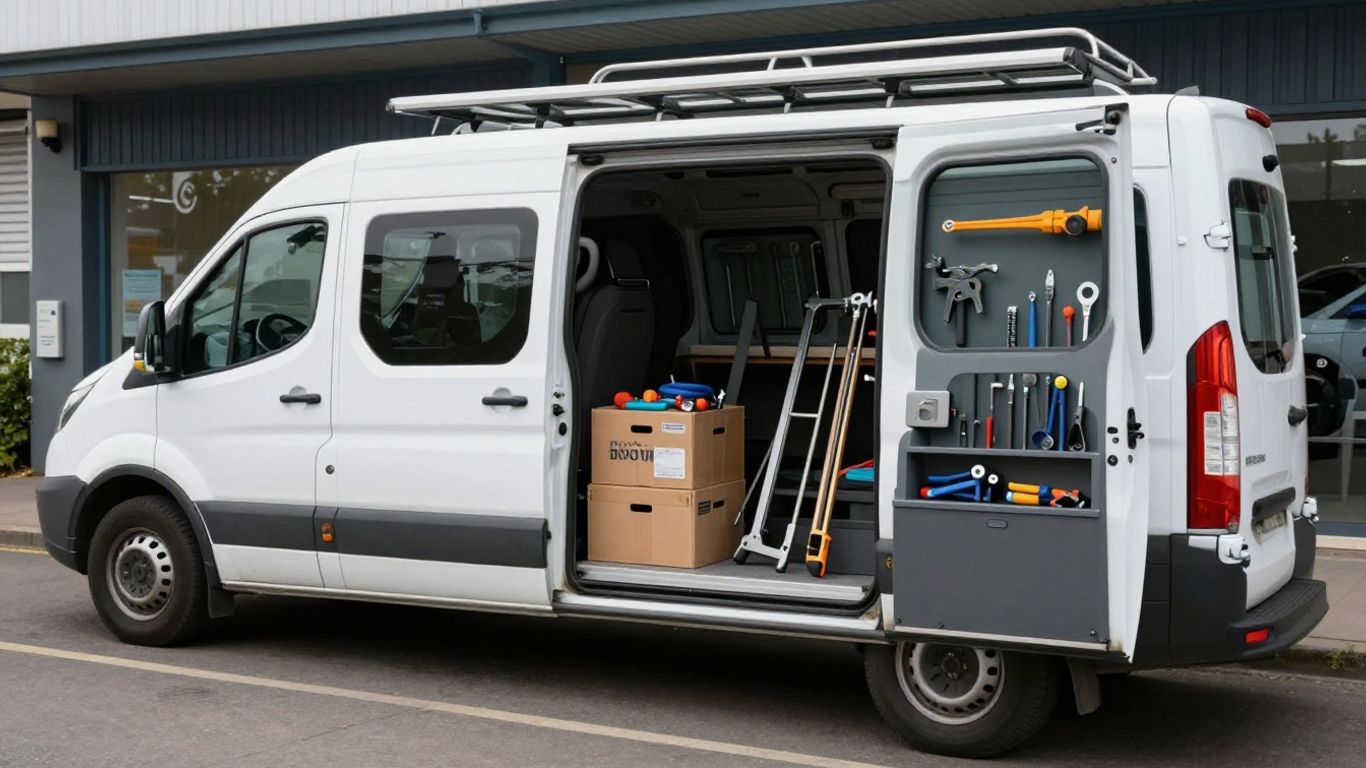
Start with payload, load length and access rather than appearance. A compact van may be easier to park and cheaper to run, while a larger panel van may be necessary for tools, stock or bulky equipment. Think about door configuration, seating, towing requirements and safety features, then choose the smallest specification that genuinely meets the job.
It is sensible to compare live stock against your practical requirements. A Citroen van lease can be tailored around mileage, model, colour and contract length, while other vehicle ranges may suit different load or driving needs. Treat any advertised model as a starting point, not a substitute for checking its payload and condition.
Matching the agreement to your mileage and workload
Estimate mileage from recent invoices, route records and ordinary weekly journeys, then allow for realistic business growth. Underestimating can create excess-mileage costs or an unsuitable contract; overestimating can mean paying for unused allowance. Also consider whether the van will be used by one driver or several people, as this affects wear and insurance.
Your workload matters as much as distance. Frequent urban stops, motorway driving, heavy loads and towing all place different demands on a vehicle. A fixed package is only helpful when its mileage and term reflect how you actually operate.
New, used and converted van considerations
A new van may offer the reassurance of a manufacturer warranty and a predictable early maintenance pattern. A used van can reduce the purchase price, but its service history, previous use, MOT record and remaining warranty deserve close attention. Converted vans need an extra check on the quality, weight and legality of the conversion, particularly where equipment affects payload or vehicle classification.
Condition should be assessed independently where possible. Ask for photographs, inspection information and a clear list of known defects before you commit, rather than treating a low payment as evidence that the vehicle is right.
Planning for seasonal or changing business demand
A landscaping, events or delivery business may have busy and quiet periods that do not fit a rigid vehicle plan. Map your busiest months and consider whether you need the van year-round, whether a second vehicle is genuinely necessary or whether a shorter commitment would reduce risk. Flexible terms can be useful, but flexibility still has a price and must be understood.
A simple seasonal review can help you decide what to prioritise:
- expected monthly mileage during peak periods;
- the maximum load and number of passengers required;
- likely time off the road for servicing or holidays;
- the cash reserve available for quieter months.
These figures give you something concrete to discuss with a provider. They also make it easier to spot an agreement that works only in your best month.
How payments and ownership work
Payment structures are where rent to buy differs most clearly from ordinary leasing. A low regular rental may be paired with a sizeable final amount, and some costs may sit outside the advertised figure. Read the payment schedule as a whole so you know what the agreement will cost from collection to completion.
Deposits, initial rentals and ongoing payments
Check whether the first amount is a refundable deposit, an initial rental or a fee that forms part of the contract. Then confirm the frequency of future payments, the VAT treatment and the date on which each payment is collected. A payment that looks manageable weekly may feel different when translated into the total monthly and annual cash requirement.
Build a budget that includes fuel, insurance, parking, servicing and downtime. A clear cash-flow plan is more useful than choosing the smallest advertised figure, particularly when the van is essential to earning income.
When and how ownership can transfer
Ownership may transfer only after every regular payment has been made and a final balloon payment has been settled. The agreement should state whether the final amount is fixed, whether it can be refinanced and whether returning the vehicle is permitted instead. It should also explain when the ownership paperwork is issued.
The Rent to Buy solution sets out the principle of paying the final balloon to own the vehicle, while also describing return or refinancing as possible alternatives. Use that as a prompt to ask your chosen provider exactly which route applies to your own quote.
Mileage limits, maintenance and fair wear
Mileage limits can affect the final condition assessment and any charge at the end of the agreement. Ask how mileage is measured, whether the allowance can be changed and what happens if your work pattern shifts. Fair wear should also be defined in practical terms, especially for a commercial van that may collect dents, marks or interior damage through ordinary use.
Maintenance is a separate point. Confirm whether servicing, tyres, repairs and breakdown support are included, excluded or available as an optional package. Keep to the manufacturer’s service schedule and retain invoices, since avoidable neglect can create problems at return or transfer.
Additional costs to check before signing
The regular rental is only one part of the calculation. Look for arrangement charges, delivery fees, administration costs, excess mileage, late-payment charges and any fee connected with the final transfer. Also check whether tax, breakdown cover or maintenance is included, because apparently similar offers may have very different contents.
A written quote should show the important numbers plainly. If a cost is described as conditional, ask what triggers it and request an example in pounds rather than accepting vague wording.
Eligibility and affordability in the UK
Providers assess applications in different ways, and acceptance is never guaranteed. A soft credit check, a full credit search, proof of income and trading information are not interchangeable. The safest approach is to be accurate, disclose relevant circumstances and judge affordability before submitting several applications.

Credit checks and no-credit-check claims
A claim of “no credit check” does not necessarily mean there is no affordability or identity assessment. The provider may still need to verify your address, income, licence and ability to make payments. Ask whether the initial check is soft or hard, whether it is recorded on your credit file and what information is used for the decision.
Credit history is only one part of the picture, but it should not be ignored. Make sure the agreement is regulated or structured appropriately for your circumstances, and obtain independent advice if the wording is unclear.
Documents and information providers may request
A provider may ask for identification, driving-licence details, proof of address and evidence of income. A limited company may need registration and trading information, while a sole trader could be asked for bank statements, tax records or recent accounts. New businesses should explain their expected income honestly and show how the van supports that plan.
Prepare digital copies before applying, but send them only through a secure, verified channel. Missing or inconsistent information can delay an application and may make a promising quote harder to assess.
Assessing the total cost against business income
Work from a conservative estimate of monthly income, not your strongest recent invoice. Deduct tax, fuel, insurance, wages, rent and other committed costs before deciding what vehicle payment is comfortable. Include a reserve for repairs or a temporary drop in work, even where maintenance is described as included.
The useful comparison is the total cost over the planned period, including the final payment if ownership is the goal. If the numbers only work when every month is busy, the van is probably too expensive for the business.
Options for sole traders, limited companies and new businesses
The best structure can differ according to how the vehicle is used and how the business accounts for it. A sole trader should consider personal liability and the effect of payments on cash flow. A limited company should discuss VAT, corporation tax and any benefit-in-kind issue with its accountant, especially if there is private use.
There are useful background comparisons for both a sole trader lease or purchase and a limited company van decision. They are not a replacement for tailored tax advice, but they can help you prepare sensible questions before committing.
Comparing rent-to-buy van leasing deals
Comparing agreements takes more than lining up weekly or monthly rentals. Two vans with similar payments may differ in deposit, term, mileage allowance, maintenance and final ownership cost. Put each quote into the same format and challenge anything that cannot be explained clearly.
Comparing the total payable rather than the weekly rate
Calculate the initial payment, every regular payment, compulsory fees and the final balloon. If you may return rather than own the van, check whether there is a separate return standard or charge. This creates a like-for-like figure and reveals whether a low weekly rate simply postpones a large obligation.
A comparison table can make the differences visible:
| Cost or condition | Deal A | Deal B | Question to ask |
|---|---|---|---|
| Initial payment | £___ | £___ | Is it refundable or part of the rental? |
| Regular payments | £___ | £___ | Is VAT included and how often is it collected? |
| Final payment | £___ | £___ | Is ownership optional and is the figure fixed? |
| Mileage allowance | ___ miles | ___ miles | What is the excess-mileage charge? |
| Maintenance and breakdown | Included / extra | Included / extra | What exactly is covered? |
Once completed, the table should be read alongside the contract, not treated as a substitute for it. The cheapest total may still be the wrong choice if the van, mileage or service support does not suit your work.
Checking contract length and flexibility
A shorter agreement can reduce the period of commitment, while a longer one may spread costs more widely. Check whether the term is fixed, whether extensions are possible and whether you can change the vehicle if your workload develops. “Flexible” should have a precise meaning in the paperwork.
Some flexible leasing offers cover terms from six to 48 months, but a rent-to-buy agreement may follow a different structure. Confirm the exact dates and obligations for the vehicle you are considering rather than relying on a general description.
Reviewing maintenance, breakdown cover and insurance
Maintenance may be bundled into the payment, offered as an optional plan or left entirely to you. Breakdown cover can have limits, and insurance may need to include business use, named drivers, tools or particular delivery work. Ask what happens when a covered repair takes the van off the road and whether a replacement vehicle is provided.
For a useful comparison, the commercial leasing and rental overview shows why rates, terms and inventory should be assessed together rather than in isolation. Its source is general market information, so apply the same questions to any specific quote.
Understanding early termination and missed-payment terms
Read the consequences of a missed payment before signing, including grace periods, fees, notice requirements and the possibility of repossession. Early termination may involve a settlement figure, return costs or loss of an initial payment. If you think your circumstances could change, raise that possibility before the agreement starts.
Keep a note of payment dates and contact the provider promptly if a problem arises. Silence can reduce the available options, whereas an early, documented conversation may clarify what can be done under the contract.
Managing a van during the agreement
The agreement does not remove your day-to-day responsibility for the vehicle. Good upkeep protects reliability, resale or return condition and your ability to work. It also gives you evidence if there is later a question about servicing, damage or compliance.
Servicing, repairs and vehicle upkeep
Follow the service schedule and use the specified oils, parts or repairers where the agreement requires it. Check tyres, lights, fluid levels, locks and load restraints regularly, especially when the van is used heavily. Deal with warning lights promptly; a small fault can become an expensive period off the road.
Keep service invoices and inspection reports together. If a repair is covered by a maintenance package, obtain approval before authorising work so that you do not accidentally make yourself responsible for the bill.
Insurance, tax and compliance responsibilities
Confirm the level of insurance required, including carriage of goods, commuting, multiple drivers or specialist work. Check who arranges vehicle tax and whether the agreement includes it, then make sure the van remains legally roadworthy and appropriately operated. Operators may also need to consider load security, driving hours or other rules relevant to their work.
Do not assume a provider’s package covers every business obligation. Your responsibility may include insurance, MOT arrangements, driver checks and keeping the vehicle within its legal weight limits.
Keeping records for business and tax purposes
Separate vehicle records make administration much easier. Keep copies of the agreement, invoices, mileage, fuel, repairs, insurance documents and business-use evidence. Record private journeys honestly and retain the information for the period advised by your accountant or HMRC guidance.
Tax treatment depends on your structure, VAT position and use of the van. The lease-versus-buy guides linked earlier can provide context, but professional advice is the right place to confirm what you can claim.
What happens if your circumstances change
A new contract, a quieter trading period, illness or a change of work can affect affordability. Contact the provider before a payment is missed and ask what the agreement allows. Possible solutions might include a permitted change, settlement, return or another arrangement, but the available route depends on the contract.
Keep your own records of every conversation and request revised terms in writing. A flexible product is not a promise that every change will be cost-free.
Applying for a rent-to-buy van
An application should be the final step in a process of checking suitability, not the point at which you first discover the important costs. Have your budget, vehicle requirements and documents ready. Then use the provider’s answers to decide whether the agreement is workable, rather than feeling committed because a quote has been issued.
Preparing your budget and application details
Write down the amount available for the initial payment, the maximum regular rental and the sum you could realistically set aside towards the final payment. Add insurance, fuel, servicing, tax and likely downtime. Then gather accurate business and personal details so the application reflects your circumstances.
It can help to prepare a short explanation of the van’s role in your business, expected mileage and trading history. Clear information supports a more useful conversation and reduces avoidable back-and-forth.
Questions to ask the leasing provider
Ask who owns the vehicle during the agreement, how ownership transfers and what happens if you return it. Confirm the total payable, VAT, mileage rules, maintenance, breakdown cover, insurance requirements and early-termination process. Also ask whether the quote is subject to a credit decision and how long the quoted terms remain valid.
A provider should be able to explain the package without pressure or unexplained jargon. If you want to discuss your requirements directly, you can request a quote and use these questions as a starting point.
Inspecting a used van before committing
Inspect the bodywork, tyres, glass, lights, load area, doors and dashboard warnings in daylight. Check the VIN, service history, MOT record and any discrepancy between the advertised specification and the vehicle in front of you. Take a test drive that includes braking, steering, reversing and the kind of roads you normally use.
If you cannot inspect the van yourself, arrange an independent inspection or ask exactly what checks have been completed. Photographs are useful, but they cannot reveal every mechanical or structural issue.
Reviewing the agreement before taking delivery
Read the full agreement, not just the quotation or summary page. Check the vehicle details, payment dates, mileage, insurance, maintenance, fair wear, ownership route, final payment and termination clauses. Make sure every promised inclusion is written down and query any blank, inconsistent or unusually broad wording.
Only sign when you understand what happens at the end as well as what happens on collection day. Keep a copy of the signed agreement, delivery condition report and all supporting documents in one accessible place.
CTA: Find Your Van
If you are ready to explore a practical vehicle package, speak with First Flexi Lease about available rent-to-buy and flexible van leasing options for your circumstances.
Conclusion
Rent to buy can be a useful way to access a working van while keeping ownership as a future option, but its value depends on the complete agreement. Compare the full cost, check the final payment and make sure the vehicle, mileage and responsibilities match your business before signing.
Frequently asked questions
Is rent to buy the same as van leasing?
Do I own the van as soon as I start paying?
What is a balloon payment?
Can a sole trader apply for rent to buy?
Are maintenance and breakdown cover always included?
What if I exceed the agreed mileage?
Can I return the van instead of paying the final amount?
Reviewed by
Billy Lang, Director
FCA Registration No: 835008
Keep reading
Related guides
Leasing explained
Can you lease a car with a bad credit history?
Whether you can lease a car with a bad credit history, what lenders actually check first, and the two situations where waiting or Rent to Buy make more sense — subject to status.
Read guideLeasing explained
How to Transfer or Swap Your Car Lease
A car lease transfer can be a practical way to leave a vehicle agreement early, but it only works with the leasing company’s approval. Check the contract, costs and handover details before finding another driver. Confirm that the finance agreement permits a transfer or lease swap. Make sure the incoming driver passes the…
Read guideLeasing explained
Short-Term vs Long-Term Car Leasing: Which One Is Right for You?
The right lease depends on how long you need the vehicle, how predictable your driving is and how much flexibility you want. Short-term leasing suits temporary needs and changing circumstances. Long-term contracts can reduce the average monthly cost when plans are stable. Mileage, insurance, maintenance and early-exit terms matter as much as the…
Read guideReady when you are
Put the reading into practice.
A soft credit check via Creditsafe takes minutes. It does not normally affect your credit score the same way as a full lending application — and you get an honest answer either way.
Request a Flexi Quote
Quick form. Tell us which flexi stock you are interested in and we'll call you back the same day.
