
How to Transfer or Swap Your Car Lease
Learning how to transfer a car lease starts with understanding what actually changes. The vehicle may move to another driver, but the finance company remains central to the process. A transfer is not simply a private agreement between two…
Understand how a car lease transfer works
Learning how to transfer a car lease starts with understanding what actually changes. The vehicle may move to another driver, but the finance company remains central to the process. A transfer is not simply a private agreement between two motorists. It must be documented and accepted by the relevant lessor.
What a lease transfer or swap involves
A lease transfer, sometimes called a lease swap or takeover, allows another person to assume the remaining agreement, subject to the finance company’s terms. The incoming driver usually takes responsibility for the remaining payments and the obligations attached to the vehicle. The original driver may then be released, but only if the lessor confirms this in writing. This lease swap guide gives useful general background on the process.
The difference between assignment, novation and early termination
An assignment generally means transferring contractual rights or obligations, although the original party may not always be fully released. Novation replaces one contracting party with another and normally requires agreement from everyone involved. Early termination is different: the existing lease ends before its scheduled date, often with a settlement or other charge. Ask the finance company which legal route its paperwork uses rather than relying on informal terminology.
Which types of lease may be transferable
Transfer rules depend on the finance provider, the contract and the time left to run. Some agreements may permit a transfer, while others may restrict it or prohibit it altogether. Personal contract hire and other arrangements can have different treatment, so the name of the agreement alone is not enough to establish eligibility. Read the specific contract and ask the lessor directly.
How responsibilities change between the outgoing and incoming driver
Before approval, the outgoing driver remains responsible for the agreement and the vehicle. After an accepted transfer, the incoming driver normally takes on the remaining contractual duties, including payments, mileage limits, care requirements and insurance. Responsibility for earlier damage, missed payments or excess mileage should be clarified separately. Written confirmation matters most when deciding where liability begins and ends.
Check whether your lease can be transferred
Before advertising the vehicle, establish whether a transfer is possible at all. This saves time and prevents a prospective driver from making plans around an agreement that cannot move. Gather the contract, latest statement and vehicle details so your questions to the finance company are precise. Keep copies of every response.
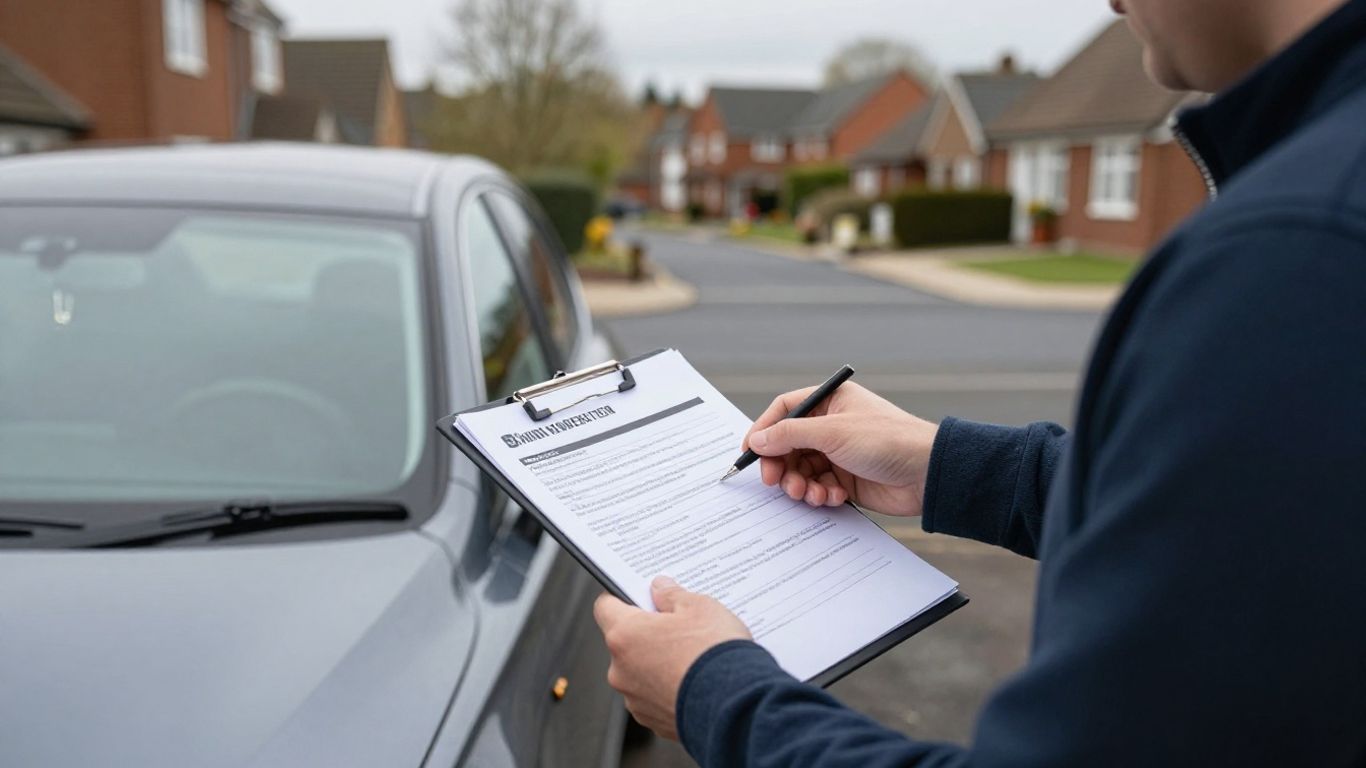
Reviewing your finance agreement for transfer restrictions
Look for clauses covering assignment, early settlement, additional drivers and changes to the registered keeper. The agreement may specify an administration fee, minimum remaining term or restrictions on who can take over. Also check whether the vehicle must stay within a particular country or usage category. If the wording is unclear, ask the lessor to explain it in plain English.
Confirming the finance company’s eligibility rules
The finance company may apply its own credit, affordability and residency criteria to the proposed new driver. It may also require forms from both parties, proof of identity and a formal inspection. Ask how long approval usually takes and whether the original driver remains liable during the assessment. Never treat a verbal indication as final consent.
Checking mileage, vehicle condition and remaining contract term
Record the current mileage and compare it with the agreed allowance. Inspect the bodywork, wheels, glass, interior and warning lights, noting anything beyond fair wear and tear. The remaining term and monthly rental will affect whether the arrangement appeals to someone else. Accurate information is fairer than presenting an unrealistically attractive listing.
Understanding why some personal lease agreements cannot be assigned
A personal lease is built around the named customer’s application and circumstances. The provider may therefore require a new assessment rather than simply substituting another person. Contract structure, regulatory requirements and internal policy can all prevent assignment. If that happens, ask about settlement, voluntary termination or a replacement agreement instead of trying to arrange a private handover.
Find a suitable person to take over the lease
Once eligibility is confirmed, the next task is finding someone who understands the remaining commitment. A suitable person is not merely interested in the car; they must be able and willing to meet the finance company’s requirements. Present the arrangement honestly, including any imperfections. Clear listings tend to attract more serious enquiries.
Where to advertise a lease transfer in the UK
You can use specialist lease-swap marketplaces, motoring communities or personal networks, provided the finance company accepts the route. Follow the platform’s safety rules and avoid paying a stranger to “reserve” a vehicle. The listing should make clear that the transfer is subject to formal approval. Do not describe the car as transferred until that approval exists.
What information to include in a lease-swap listing
Give the make and model, registration year, current mileage, monthly payment, remaining months, mileage allowance and any initial payment arrangement. Include the location, service history, condition and expected transfer costs. State whether maintenance or other items are included only when the agreement confirms it. Honest figures help a potential driver decide quickly.
How to assess the incoming driver’s suitability
You are not replacing the finance company’s checks, but you can still ask sensible preliminary questions. Find out whether the person understands the remaining term, has considered insurance and is comfortable with the mileage allowance. Keep conversations in writing and share only information needed for the proposed transfer. A genuine applicant should accept that approval is a formal process.
Warning signs of unreliable or fraudulent applicants
Be cautious if someone refuses to provide basic contact details, pressures you to release the car immediately or offers payment outside the agreed process. A request for passwords, banking login information or copies of unrelated documents is another warning sign. Do not accept a deposit merely because an applicant says their finance check is guaranteed. Pause the discussion and contact the lessor if anything feels unusual.
Complete the lease transfer application
The application is handled according to the finance company’s procedure, not by the outgoing driver alone. Both parties should provide accurate information and respond promptly to requests. Delays are common when documents are incomplete or names do not match. Keep a simple record of what has been submitted and when.
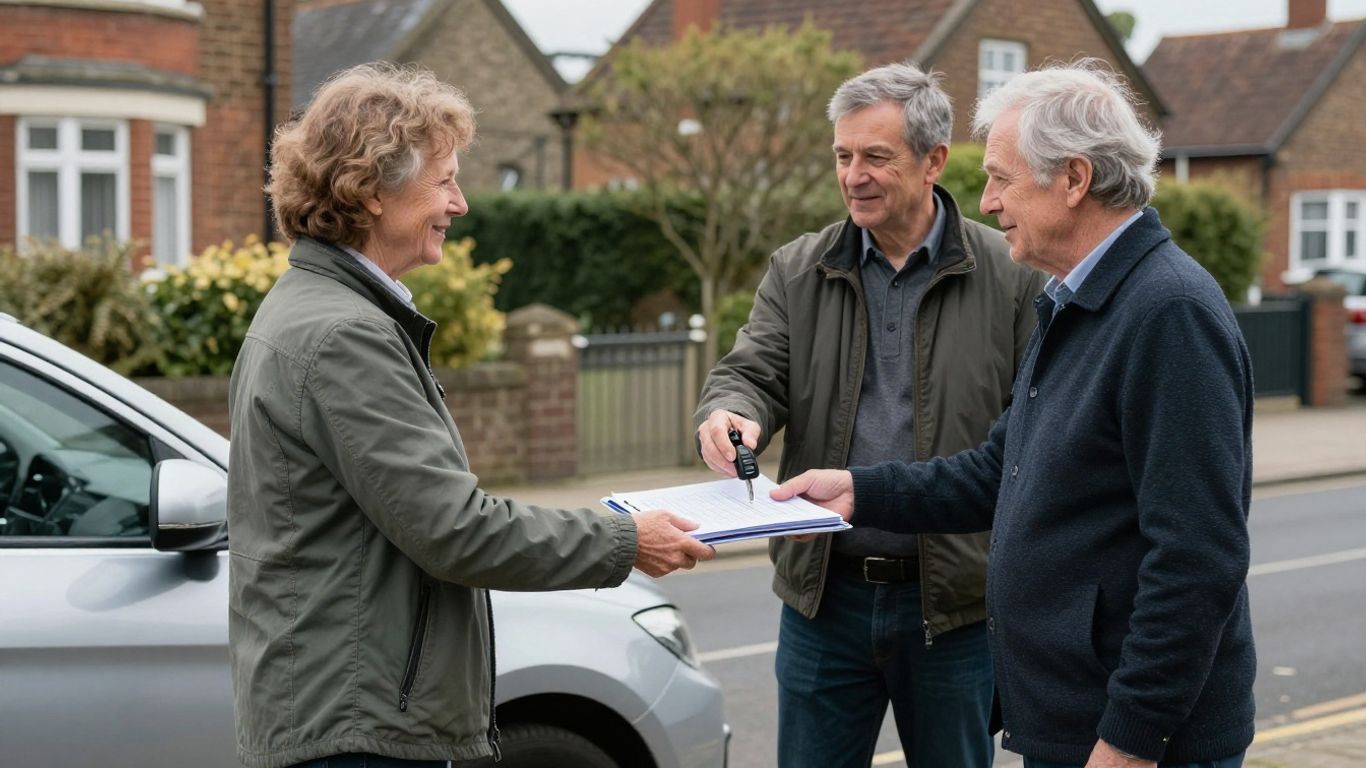
What documents the new driver may need
The incoming driver may be asked for proof of identity, address, income and driving entitlement. The provider could also request bank details, an application form and permission to carry out checks. Requirements vary, so ask for the exact list before sending anything. Use secure channels and avoid sharing sensitive documents through an unverified contact.
How credit and affordability checks work
The finance company assesses whether the proposed driver can meet the remaining payments under its lending rules. This may include a credit search and an affordability assessment based on income and regular commitments. Passing a preliminary conversation does not guarantee acceptance. The existing driver should not assume the transfer is complete until the provider confirms the result.
Vehicle inspections and condition reports
An inspection may establish whether the car’s condition is consistent with the lease standards. Both parties should attend where possible, or agree how an independent report will be obtained. Record existing marks separately from anything caused during the handover period. A dated report can reduce arguments later, especially when the lease is close to its mileage or condition limits.
Obtaining written approval before handing over the car
Wait for the finance company’s formal confirmation and check the effective date shown on it. Until then, the original driver may remain responsible for payments, insurance and the vehicle. A private promise from the incoming driver does not alter the finance agreement. Arrange collection of the keys only after the paperwork, insurance and payment responsibilities line up.
Work out the costs of transferring a car lease
A lease swap may avoid some costs associated with ending an agreement early, but it is not automatically free. Calculate the full position rather than focusing only on the monthly rental. Include charges from the provider and practical handover expenses. Ask for figures in writing, preferably with VAT treatment made clear.
Administration and transfer fees
The lessor may charge an application, administration or transfer fee. There may also be costs for an inspection, document processing or delivery. The amount and payer should be agreed before the application is submitted. Do not assume that a fee is refundable if the proposed driver fails the finance company’s assessment.
Outstanding payments, deposits and incentives
Check whether any instalment is overdue and whether the outgoing driver paid an initial rental or deposit. A private contribution may make the listing more appealing, but it should be recorded clearly and must not conflict with the lessor’s process. Never describe a payment as a refund unless the relevant parties have agreed exactly what it covers. The remaining rental schedule should be shared in full.
Road tax, insurance and delivery costs
Establish who pays for moving the vehicle, changing insurance and completing any required administration. Road tax treatment depends on the lease arrangement, so confirm whether it is included or handled separately. Insurance must be valid for the incoming driver from the agreed handover time. A cheap-looking transfer can become expensive if these practical costs are missed.
Who pays for excess mileage or damage
The contract usually determines how excess mileage and damage are assessed at the end of the lease. Decide who is responsible for mileage already used and for marks documented before the transfer. Put any payment arrangement in writing, including its timing. A fair agreement should distinguish pre-existing condition from damage caused after responsibility changes.
| Cost or obligation | What to check | Who may be responsible |
|---|---|---|
| Transfer administration | Provider’s fee and refund policy | As agreed with the lessor |
| Remaining rentals | Payment dates and arrears | Incoming driver after approval |
| Excess mileage | Current use against allowance | Depends on the contract and agreement |
| Damage or missing items | Inspection and photographs | Party responsible for the condition |
This table is a useful starting point, not a substitute for the lease contract. The finance company’s written terms take priority, and any private payment between the drivers should be kept separate from the formal approval.
Manage the handover and change of responsibility
A careful handover turns approval into a clear changeover. Plan it around the date on which the transfer becomes effective, rather than a convenient weekend alone. Both parties should know what is being exchanged and what remains outstanding. A calm, documented handover is usually worth the extra half-hour.
Agreeing the handover date and mileage reading
Confirm the date and time in writing, then photograph the odometer immediately before the keys change hands. Note the fuel or battery level, number of keys and any accessories included. The reading should be sent to the relevant parties if the provider requests it. Avoid leaving the vehicle with the new driver while the effective date is uncertain.
Recording the car’s condition with photographs
Take clear photographs in daylight of every side of the vehicle, the wheels, glass, seats, dashboard and boot. Include close-ups of existing marks and retain the original files with their timestamps. A short written condition report should match the photographs. This evidence gives both drivers a shared reference if a charge is raised later.
Transferring insurance and keeping the vehicle taxed
The incoming driver needs suitable insurance in place before driving away. Confirm whether the policy change has taken effect and whether the vehicle’s tax arrangements remain valid. The outgoing driver should not cancel cover until the finance company and insurer confirm the change. Keep confirmation emails and policy details with the handover record.
Confirming when the original driver is released from liability
Ask for an explicit statement that the original driver has been released, together with the date and any limited obligations that remain. If the provider says the outgoing driver remains jointly liable, understand that risk before proceeding. Keep the final agreement, inspection report and payment record. Without written release, the transfer may not provide the clean break expected.
Consider alternatives if a lease swap is not possible
A refused transfer does not leave only one choice. The best route depends on the remaining term, settlement figure, vehicle value and personal circumstances. Ask the finance company for options rather than stopping payments or handing the vehicle to someone informally. First Flexi Lease provides flexible car leasing, which may be relevant when comparing a future replacement with the current agreement.
Negotiating an early termination with the leasing company
Request a formal early-termination quotation and check what it includes. The figure may reflect remaining rentals, fees, depreciation or other contractual amounts. Compare it with the cost of keeping the vehicle until the scheduled end. Do not rely on an online calculator when the provider can issue the precise settlement position.
Buying the car or settling the finance early
Some agreements provide a route to purchase the vehicle, while others do not. Ask whether an early settlement figure or purchase option is available and whether ownership would transfer immediately or after further steps. Compare the figure with realistic market values and the cost of arranging another vehicle. Tax, registration and warranty implications should also be checked.
Voluntary termination and when it may apply
Voluntary termination is a statutory option for some regulated agreements, but eligibility depends on the agreement type and the amount already paid. It is not automatically available for every lease. Ask the provider for the contract’s status and obtain independent guidance before relying on it. Follow the required notice and return process carefully.
Continuing the lease or choosing a replacement vehicle
Keeping the lease may be the simplest option if the remaining payments are manageable and the vehicle still suits your needs. If it no longer does, compare the cost of completing it with a replacement based on your actual mileage and term requirements. A flexible arrangement with terms from six to 48 months may offer a different level of commitment. If you decide to explore a new vehicle, you can get a quote before making a final decision.
Conclusion
The safest way to transfer a car lease is to confirm eligibility first, use the finance company’s formal process and document every cost and handover detail. If a swap cannot be approved, compare early settlement, voluntary termination, continuation and replacement options calmly; First Flexi Lease can be considered when you are exploring flexible vehicle leasing rather than another long commitment.
Frequently asked questions
Can I transfer any car lease?
Does the new driver need a credit check?
Am I released from the lease as soon as someone takes the car?
Can I charge the new driver for my initial payment?
Who pays for damage found after the transfer?
What happens if the lease cannot be swapped?
Can I hand over the car before approval?
Reviewed by
Billy Lang, Director
FCA Registration No: 835008
Keep reading
Related guides
Leasing explained
Can you lease a car with a bad credit history?
Whether you can lease a car with a bad credit history, what lenders actually check first, and the two situations where waiting or Rent to Buy make more sense — subject to status.
Read guideLeasing explained
Short-Term vs Long-Term Car Leasing: Which One Is Right for You?
The right lease depends on how long you need the vehicle, how predictable your driving is and how much flexibility you want. Short-term leasing suits temporary needs and changing circumstances. Long-term contracts can reduce the average monthly cost when plans are stable. Mileage, insurance, maintenance and early-exit terms matter as much as the…
Read guideLeasing explained
The Best Kind of Cars for Business Leasing
The best cars for business leasing are the ones that fit the work, the mileage and the numbers, not simply the ones with the lowest advertised payment. Electric cars can suit businesses with predictable routes and convenient charging. Plug-in hybrids offer a useful middle ground for mixed driving patterns. Small cars, estates and…
Read guideReady when you are
Put the reading into practice.
A soft credit check via Creditsafe takes minutes. It does not normally affect your credit score the same way as a full lending application — and you get an honest answer either way.
Request a Flexi Quote
Quick form. Tell us which flexi stock you are interested in and we'll call you back the same day.
