
Car Engine Warning Lights Meanings (UK)
Dashboard symbols are a simple communication system between the vehicle and driver. Some are routine indicators that appear briefly when the ignition is switched on, while others point to a fault that needs attention. Learning the broad…
How to read dashboard warning lights
Dashboard symbols are a simple communication system between the vehicle and driver. Some are routine indicators that appear briefly when the ignition is switched on, while others point to a fault that needs attention. Learning the broad pattern behind the colours makes the dashboard warning lights guide easier to use when an unfamiliar symbol appears.
What red, amber, green and blue lights mean
Red generally means a serious warning or a system that needs immediate attention. Amber usually signals a fault, a service requirement or a system that may be operating with limited function. Green and blue lights are normally status indicators, such as lights being active, rather than signs of a mechanical problem.
Colour is a useful first clue, not a diagnosis. A red door-open symbol is different from a red oil pressure symbol, and the handbook remains the final authority for the exact action required.
Why a warning light may flash or stay on
A light that appears briefly during the starting sequence is often part of the car’s self-check. If it goes out after the engine starts, that is usually different from a light that remains illuminated. A flashing warning is often more urgent because it can indicate an active fault rather than a stored or occasional one.
Pay attention to what happens at the same time. Reduced power, rough running, unusual smells, overheating, smoke or a change in braking should raise the urgency, even if the symbol itself is amber.
Why symbols vary between car makes and models
Vehicle manufacturers use different symbol designs and combine alerts in different ways. A symbol may also have a slightly different meaning depending on whether the car has a diesel engine, hybrid system, driver assistance equipment or a particular braking setup.
That is why a generic online image search can be misleading. It may help you recognise the broad family of a warning, but it cannot confirm the correct procedure for your vehicle.
Where to find your vehicle’s exact warning light meanings
Start with the owner’s handbook, either in its printed form or through the manufacturer’s official digital documentation. Look for the symbol rather than relying only on a phrase such as “engine light”, since several related alerts may exist. The handbook should explain whether to stop, arrange an inspection or continue carefully.
If the handbook is missing, record the symbol, colour and behaviour before asking a garage for advice. A photograph of the dashboard can also help, provided it is taken while safely parked rather than while driving.
Engine and emissions warning lights explained
Engine-related lights cover a wide range of possible issues, from a temporary sensor reading to a fault that could damage expensive components. The symbol alone cannot tell you which part has failed. The most useful clues are whether it is steady or flashing, whether the engine runs normally, and whether other warnings appear with it.
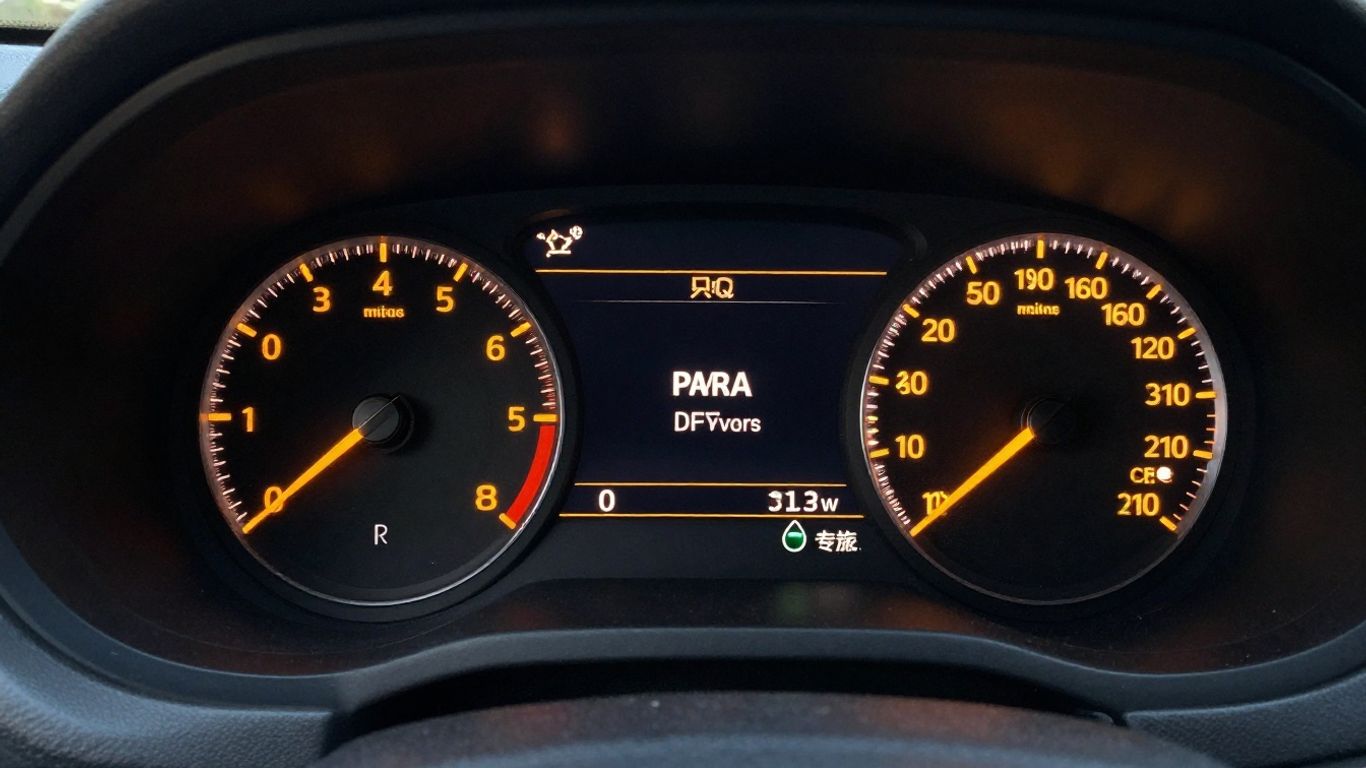
Amber engine management light
The amber engine management or check-engine light means the vehicle’s control system has detected a fault. It may relate to the engine, fuel system, ignition, sensors or emissions equipment, but the light does not identify the failed component by itself.
If the car feels normal and the light stays steady, arrange a diagnostic check rather than ignoring it indefinitely. Continued driving can sometimes turn a manageable fault into a more expensive repair, particularly if performance or fuel consumption changes.
Flashing engine warning light
A flashing engine warning light deserves prompt attention. It can be associated with a fault that is actively affecting combustion, and continuing to drive may increase the risk of damage to the emissions system or catalytic converter.
Reduce speed, avoid hard acceleration and find a safe place to stop. If the engine is shaking, losing power or producing smoke, switch it off and seek recovery advice rather than attempting to complete the journey.
Emissions system and catalytic converter warnings
Emissions warnings can be caused by problems in the systems that monitor or control exhaust gases. A faulty sensor, ignition issue, air or fuel problem, or damaged exhaust component may all produce similar dashboard behaviour.
Do not assume that an emissions-related light is harmless simply because the car still drives. A steady light may allow a careful trip to a garage, but a flashing light or a strong smell, misfire and loss of power should be treated as a reason to stop.
Diesel particulate filter (DPF) warning light
A DPF warning light applies to diesel vehicles fitted with a particulate filter. It may indicate that soot has accumulated and that the car needs the regeneration procedure described in its handbook. The correct driving conditions vary between models, so follow the vehicle’s instructions rather than guessing.
If the light remains on, other warnings join it, or the vehicle enters a reduced-power mode, arrange professional advice. Repeatedly interrupting regeneration or continuing with a blocked filter can increase the eventual repair bill.
Glow plug and diesel preheating light
The glow plug symbol normally illuminates before a diesel engine starts and should go out when the engine is ready. If it stays on after starting or flashes while driving, it may indicate a fault in the preheating system or another engine-management area.
Starting difficulty, rough running or reduced power makes the warning more significant. Note when it appears and have the vehicle checked, especially if it is accompanied by the amber engine light.
Critical warning lights that require immediate action
Red warning lights are designed to attract attention because delay can affect safety or cause major mechanical damage. If one appears while driving, do not focus only on reaching your destination. Assess the road, find a safe stopping place and consult the handbook before deciding whether the vehicle can move again.
Engine oil pressure warning light
The oil pressure symbol often looks like an oil can and should be treated as a serious warning. It does not simply mean that the oil level is a little low; it can indicate that the engine is not receiving adequate lubrication.
Stop as soon as it is safe, switch off the engine and check the oil level only when the vehicle is parked safely and the engine has cooled as appropriate. If the level is correct, the light remains on, or you are unsure what to do, do not restart the engine until professional advice has been obtained.
Engine coolant temperature warning light
A coolant temperature warning may indicate that the engine is overheating or that the cooling system has a fault. Steam, a hot smell, a rising temperature gauge or loss of coolant increases the concern.
Stop safely and allow the engine to cool. Never remove a hot coolant cap, as pressurised coolant can cause serious burns. Once cool, look for obvious leaks, but avoid driving on if the warning returns or the engine still appears hot.
Battery and charging system warning light
The battery-shaped warning light often concerns the charging system rather than the battery alone. An alternator, belt, wiring or battery fault may leave the vehicle with limited electrical power.
Switch off unnecessary electrical equipment and head towards a safe stopping place if the car remains controllable. Do not travel far with the warning illuminated, because the engine may stop once the available electrical charge is exhausted.
Brake system warning light
A red brake warning may relate to the handbrake being engaged, low brake fluid or a fault in the braking system. Check that the handbrake is fully released, but do not dismiss the light if it stays on.
If the pedal feels soft, braking performance changes, fluid is leaking or an ABS warning appears as well, stop and arrange assistance. Brakes are safety-critical, and a short journey is not worth taking a chance on uncertain stopping power.
What to do when a red warning light appears while driving
The right response is calm and practical. Signal early, avoid abrupt manoeuvres, and stop somewhere away from moving traffic if possible. The following sequence is a sensible starting point:
- 1Reduce speed smoothly and avoid heavy acceleration or braking where possible.
- 2Stop in a safe location, using hazard lights if the vehicle is creating a hazard.
- 3Switch off the engine when the warning suggests overheating, oil pressure or serious mechanical trouble.
- 4Read the handbook and contact breakdown assistance if the cause is not clearly resolved.
Do not continue merely because the car still feels driveable. Some serious faults give little warning before the vehicle’s condition worsens.
Common safety and driving-system warning lights
Not every important warning concerns the engine. Braking, restraint, tyres, stability and steering systems all influence how safely the vehicle can be controlled. Some systems may continue to work in a limited way when their light is on, but the driver should understand what assistance may no longer be available.
Anti-lock braking system (ABS) warning light
The ABS warning light indicates a problem with the anti-lock braking system or its monitoring components. Conventional braking may still be available, but the anti-lock function may not operate as intended during hard braking.
Increase your following distance and avoid treating the car as fully protected. If the ABS light appears with a red brake warning, a change in pedal feel or reduced braking performance, stop and seek advice rather than driving on.
Airbag and seat belt warning lights
An airbag warning can indicate a fault in the restraint system, while a seat belt light may mean that a belt is unfastened or that the car detects weight on a seat. The precise meaning depends on the vehicle and its sensors.
Make sure belts are fastened and remove heavy items from passenger seats if appropriate. If the airbag light remains on, arrange an inspection, because the relevant restraint may not operate correctly in a collision.
Tyre pressure monitoring system (TPMS) warning light
The TPMS light usually means that one or more tyres have low pressure or that the monitoring system needs attention. Check pressures when the tyres are cold and inspect them for visible damage or a puncture.
After correcting the pressure, the system may need to be reset according to the handbook. If the light flashes first and then stays on, that may point to a system fault rather than low pressure alone.
Electronic stability control and traction control lights
Stability and traction symbols can illuminate when the system is actively intervening, when it has been switched off, or when a fault has been detected. A brief flicker on a slippery surface may be normal operation; a light that stays on needs interpretation.
Drive gently and avoid assuming the system will correct every loss of grip. If the warning remains on in dry conditions, check the handbook and arrange a diagnostic inspection where necessary.
Power steering warning light
A power steering warning may mean that assistance is reduced or unavailable. The steering wheel can become noticeably heavier, particularly at low speeds, which makes manoeuvring and emergency control more difficult.
Slow down carefully and stop if steering becomes difficult or unpredictable. Check for additional instructions in the handbook and seek help before continuing unless the vehicle is confirmed safe to move.
What to do when the engine warning light comes on
An amber engine light is unsettling, but it does not always mean that the car must stop immediately. The decision should be based on the light’s behaviour and the vehicle’s symptoms, not on colour alone. A careful initial check can provide useful information for a garage and prevent further damage.
Checks to make before continuing your journey
Park safely before carrying out any checks. Look for obvious leaks, confirm that the fuel filler cap is secure if your car uses one, and check whether the engine is misfiring, overheating or losing power. Do not work near moving belts, fans or hot components.
Record the warning’s colour and whether it is steady or flashing. It is also helpful to note recent events, such as refuelling, a difficult start, towing, very cold weather or driving through deep water.
When it is usually safe to drive to a garage
A short, careful journey may be reasonable when the light is amber and steady, the engine sounds and feels normal, there is no overheating, and no red warning is present. Keep speed and engine load moderate, and choose a nearby garage rather than delaying for days.
The word “safe” is conditional here. If the car begins to shake, smoke, smell strongly of fuel, lose power or display another warning, stop the journey and reassess.
When to stop, switch off the engine and call for help
Stop and arrange assistance for a flashing engine light, an oil pressure or temperature warning, severe misfiring, smoke, unusual knocking or significant power loss. The same applies if the car cannot maintain a safe speed or if braking or steering is affected.
Safety comes before diagnosis when symptoms are severe. A recovery vehicle and a professional inspection are usually preferable to turning a fault into an engine failure or creating danger on the road.
How driving conditions can trigger a temporary warning
Cold starts, low battery voltage, heavy rain, water around sensors and a loose fuel cap can sometimes trigger a warning that later disappears. That does not prove the underlying system is healthy. The car may have stored a fault code even after the dashboard light goes out.
If the light returns, treat the pattern as useful evidence. Tell the garage exactly when it appears, since an intermittent fault can be harder to reproduce than a constant one.
Diagnosing and fixing engine warning lights
A warning light is a starting point, not a complete repair instruction. Diagnosis involves reading the vehicle’s stored information, checking the relevant components and confirming the fault before parts are replaced. Good records of symptoms and timing can make that process quicker.
How an OBD2 diagnostic scan works
An OBD2-compatible scan tool communicates with the vehicle’s onboard diagnostic system and retrieves stored fault codes. Those codes point towards a monitored circuit or system, but they do not always identify the failed part with certainty.
A technician may need to test wiring, sensors, pressures, ignition or mechanical components after the scan. Replacing a part solely because its name appears in a code can lead to unnecessary cost.
Common faults behind the engine warning light
Possible causes include ignition misfires, air or fuel mixture problems, sensor faults, exhaust-system issues, DPF loading on some diesels and electrical problems. The same warning can arise from very different faults across different engines.
The car’s age, mileage, service history and recent work all matter. A warning after a repair may suggest a loose connection or unfinished reset, while a warning under load may point the technician towards a different set of tests.
Why clearing the light does not fix the underlying problem
Deleting a fault code or disconnecting the battery can make the dashboard light disappear temporarily. If the vehicle still detects the fault, it will usually return after the relevant checks have run again.
Clearing codes also removes useful diagnostic history. Ask for the codes to be recorded before they are erased, and make sure the cause has been tested rather than simply hidden.
Typical repair costs and what affects the price
There is no single price for an engine warning light because the light covers many systems. A simple connection or sensor issue may be relatively inexpensive, while a catalytic converter, turbocharger, DPF or internal engine fault can cost considerably more.
The main variables are the failed component, access time, parts quality, labour rate, vehicle design and whether further damage has occurred. A diagnostic fee may be charged separately from the repair, so ask what is included before authorising work.
When to use a manufacturer-approved garage
A manufacturer-approved garage can be useful when the fault involves model-specific software, complex electronics, warranty terms or a specialist hybrid or electric system. An independent garage may also be suitable when it has the correct equipment and relevant experience.
Whichever route you choose, ask for a clear explanation of the fault, the proposed repair and any safety implications. Keeping invoices and diagnostic reports will help with future servicing and can support a vehicle’s history.
UK MOT, breakdown and maintenance considerations
Warning lights matter beyond the immediate inconvenience of a dashboard alert. They can affect an MOT result, indicate a safety issue on a public road and reveal whether a car has been maintained properly. They are also worth checking when comparing a vehicle or considering a flexible lease.
Can warning lights cause an MOT failure?
Some illuminated warning lights can lead to an MOT failure, particularly when they relate to safety-critical systems such as brakes, ABS, steering, airbags or electronic stability control. The exact outcome depends on the vehicle, the warning and the MOT inspection requirements in force.
An engine or emissions warning may also matter where it relates to emissions testing or a specified component. Resolve known warnings before the test rather than hoping they will be overlooked.
Dashboard lights and UK road safety requirements
A vehicle must be roadworthy, and the absence of a specific MOT failure does not make an unsafe car acceptable to drive. Warning lights can signal reduced braking, steering or visibility functions, so the driver remains responsible for making a sensible decision.
Keep the dashboard visible and do not cover warning symbols. If a light appears while travelling, pull over safely where necessary and follow the handbook or breakdown provider’s instructions.
What breakdown cover may help with
Breakdown cover may assist with roadside assessment, attempting a repair, recovery to a garage or onward travel, depending on the policy. It may not cover every repair cost, and some policies have exclusions for neglect, incorrect fuel or a vehicle that was already known to be unroadworthy.
Keep the policy details and vehicle information accessible. When calling, describe the exact symbol, whether it is flashing, and any changes in the car’s performance.
How regular servicing can prevent warning lights
Servicing cannot prevent every fault, but it gives technicians a chance to inspect fluids, filters, belts, electrical connections and components before a small issue becomes more serious. Following the manufacturer’s schedule is particularly useful for diesel vehicles and cars with complex emissions systems.
Keep a record of services and repairs, and respond promptly to early symptoms such as hard starting, uneven running or unusual fuel use. For a broader view of leasing arrangements, flexible vehicle leasing can help explain how fixed terms, mileage and maintenance options are presented when choosing a vehicle.
How to check warning lights before buying a used car
Turn the ignition on without starting the engine and confirm that the warning lamps illuminate as part of the initial self-check. After starting, check that they go out as expected. A dashboard with no lights at all may not be reassuring if bulbs have been removed or a fault has been concealed.
Ask for service records, MOT history and diagnostic paperwork. Take a proper test drive, watch for warning lights returning, and arrange an independent inspection if the car’s history or behaviour leaves you uncertain.
If you are comparing access to a newer vehicle rather than buying an unknown used one, you can explore flexible leasing and assess the available terms before making a decision.
Key Next Steps
Knowing car engine warning lights meanings helps you react with judgement rather than panic. Check the handbook, take serious symptoms seriously, and arrange a proper diagnosis instead of relying on a light reset. For drivers considering a vehicle change, First Flexi Lease offers flexible car and van leasing with contracts ranging from 6 to 48 months and fixed monthly rentals that include road tax and maintenance options.
Conclusion
Warning lights are there to give you time to respond, whether that means checking a tyre, booking a diagnostic scan or stopping the engine immediately. Learn the difference between a steady amber alert and a flashing or red warning, keep your handbook close, and never let a disappearing light convince you that an unresolved fault has repaired itself.
Frequently asked questions
What does an amber engine warning light mean?
Can I drive with the engine warning light on?
What does a red oil warning light mean?
Why do warning lights come on when I start the car?
Will an engine warning light fail an MOT?
Can a diagnostic scan turn off the warning light?
Should I buy a used car with a warning light on?
Reviewed by
Billy Lang, Director
FCA Registration No: 835008
Keep reading
Related guides
Vehicle guides
Are 1.0-litre turbo engines any good?
How three-cylinder 1.0 turbo engines manage the pace of a bigger engine on small-car running costs, where they struggle, and which ones have proven themselves.
Read guideVehicle guides
Audi A1: Perfect First Car
The Audi A1 can make a polished, manageable first car, but the right example matters more than the badge. Think carefully about insurance, servicing, space and the condition of any used model before committing. Compact dimensions make the A1 comfortable in town and easier to park. The premium cabin and technology are appealing,…
Read guideVehicle guides
Are Alfa Romeo Cars Reliable?
Whether Alfa Romeo cars are reliable depends less on the badge alone and more on the model, engine, age and care it has received. Newer Alfa Romeo models can be enjoyable and dependable when serviced correctly. Electrical warnings, battery issues and wear to suspension components are common ownership concerns. A complete service history…
Read guideReady when you are
Put the reading into practice.
A soft credit check via Creditsafe takes minutes. It does not normally affect your credit score the same way as a full lending application — and you get an honest answer either way.
Request a Flexi Quote
Quick form. Tell us which flexi stock you are interested in and we'll call you back the same day.
