
Best Second Car
The Toyota Aygo makes sense when the main job is simple urban transport. Its compact character suits short trips, tight parking spaces and regular stop-start driving. For many households, that is exactly what a second car needs to do.
1. Toyota Aygo: best for low-cost city driving
The Toyota Aygo makes sense when the main job is simple urban transport. Its compact character suits short trips, tight parking spaces and regular stop-start driving. For many households, that is exactly what a second car needs to do.
Before choosing any small car, consider how often it will be used and where it will be kept. A second vehicle still brings insurance, servicing, tax and depreciation, so a modest purchase price is only one part of the calculation. The best second car is often the one that remains affordable when it is sitting on the drive for several days.
A short test drive should include the roads you normally use, not just a dealer’s quiet route. Check visibility, access, boot space and whether the driving position feels comfortable. If the car will mainly cover local errands, there is little benefit in paying for size or equipment that will rarely be used.
2. Hyundai i10: best all-rounder for everyday use
The Hyundai i10 is a sensible all-rounder for buyers who want a small car without making every journey feel like a compromise. It is a good fit for commuting, shopping and occasional longer trips where ease of use matters more than outright performance. Its appeal is the balance implied by the category: compact dimensions with everyday usability.
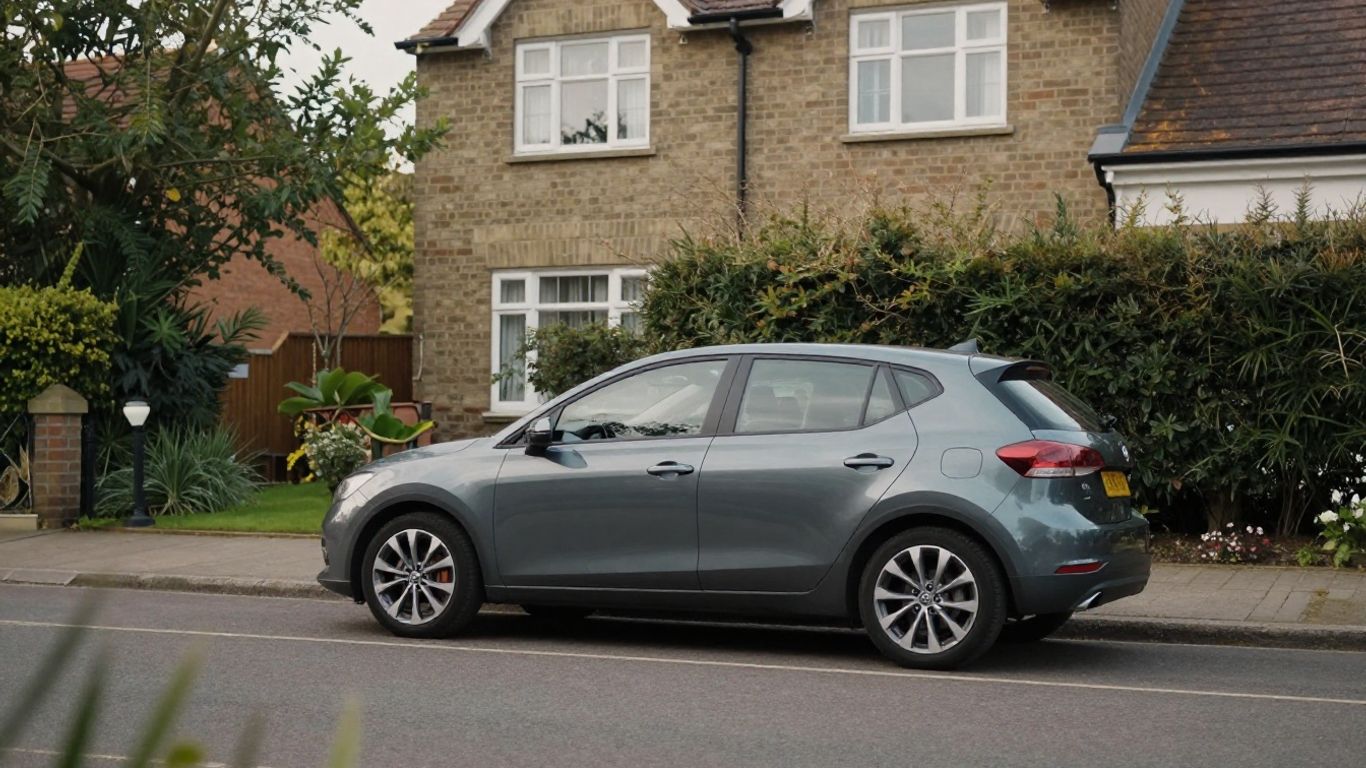
Think about the rhythm of your week before deciding. A car that handles the school run, supermarket visit and commute without fuss may be more useful than a more specialised choice. Look at the rear-seat access, storage areas and boot opening in person, because published descriptions rarely tell the whole story.
It is also worth comparing the total monthly commitment with buying an older car outright. First Flexi Lease provides flexible vehicle leasing solutions for cars and vans, with contracts ranging from 6 to 48 months. A fixed monthly rental can make the cost easier to plan, although you should still check the mileage, maintenance arrangements and end-of-term conditions.
3. Kia Picanto: best for reliability and warranty cover
The Kia Picanto is aimed at drivers who put reassurance high on the list. Warranty cover can be particularly attractive for a second car, since many owners want dependable transport without spending every weekend maintaining it. The smaller footprint also keeps it relevant for urban use.
Warranty length is not the only thing to check. Read what is included, identify any servicing requirements and confirm how previous ownership and mileage affect a used example. A full service history is useful context, but it should sit alongside a proper inspection and a check of the car’s condition.
The right choice depends on how much certainty you want. Some buyers prefer an older, cheaper car and keep money aside for repairs; others would rather pay more for newer condition and clearer cover. Whichever route you take, allow room in the budget for tyres, routine servicing and unexpected faults.
4. Volkswagen up!: best for a refined small-car experience
The Volkswagen up! suits drivers who want a small car to feel considered rather than bare-bones. That can make a difference when the second car is used regularly, particularly for commuting or frequent town journeys. A refined feel is subjective, so spend time behind the wheel before committing.
Listen for rattles, try the controls and pay attention to how the car behaves over rough surfaces. Cabin noise, seat comfort and the ease of finding a good driving position can shape your view more than a specification sheet. These are small details, but they are noticed on every journey.
Age and condition will matter greatly in the used market. Compare several examples rather than choosing the first tidy-looking car, and check whether the seller can explain its maintenance history. A clean inspection and realistic running-cost estimate are more valuable than buying on badge appeal alone.
5. Skoda Citigo: best value used second car
The Skoda Citigo is a natural candidate for buyers searching for value in the used market. As a second car, it does not need to impress every passenger or cover every possible journey; it needs to perform its regular tasks without stretching the household budget. That makes condition and price particularly important.
A useful way to compare examples is to separate the purchase price from the likely first-year spend. MOT work, tyres, servicing and insurance can quickly change the apparent bargain. This broader view helps you judge whether a cheaper car is genuinely good value or simply postponing an expensive repair.
For a used purchase, take time over the basic checks:
- Review the MOT history and ask about advisories.
- Match the mileage and service records to the car’s condition.
- Check tyres, lights, bodywork and warning lights.
- Take a proper test drive from cold if possible.
Those checks do not guarantee a trouble-free car, but they reduce the chance of overlooking something obvious. For more general used-car ideas, this used car buying guide is a useful place to broaden the comparison beyond small hatchbacks.
6. Fiat 500: best for style and compact dimensions
The Fiat 500 is a strong choice for someone who wants the second car to have a little personality. Style can be a perfectly reasonable priority, especially when the car will spend much of its life on short trips and in town. Its compact dimensions keep the practical side of the decision in view.

Do not let appearance replace a careful assessment. Sit in the car, check the visibility and make sure the available space suits the people who will use it. If it is mainly a solo commuter, the compromises may be minor; if it will regularly carry adults or bulky shopping, they may become frustrating.
Used examples can vary considerably in condition and equipment, so compare like with like. Look beyond colour and trim to the service record, tyre condition and evidence of careful ownership. A stylish car is more satisfying when the financial side feels just as comfortable.
7. Honda Jazz: best for practicality and interior space
The Honda Jazz is the option to consider when a second car needs to do more than its exterior size suggests. Interior space, useful storage and flexible day-to-day carrying ability can be more valuable than a sporty image. It may suit households that want one compact vehicle for a wide range of errands.
Practicality should be tested rather than assumed. Take the child seat, pushchair, work bag or shopping boxes you normally carry and see how they fit. Check rear access as well, particularly if passengers will use the car often.
There is a sensible balance to strike between space and cost. A larger car may offer more room, but it can also be harder to park and more expensive to run. If clever use of interior space covers your normal needs, a compact option can remain easier to live with.
8. Suzuki Swift: best for enjoyable driving
The Suzuki Swift is suited to drivers who want the second car to be enjoyable rather than merely useful. A more engaging drive can make everyday routes feel less routine, especially when the car is used for personal journeys. That said, enjoyment should still be weighed against comfort, condition and running costs.
Drive on a mixture of roads and notice how naturally the car responds to steering, braking and changes in speed. A lively feel is only part of the experience; a good second car should also be easy to place in traffic and comfortable enough for regular use. Your own reaction after half an hour will tell you more than a short showroom manoeuvre.
Check the practical details before allowing enthusiasm to take over. Insurance group, tyre prices, service history and fuel use can all affect the real cost. The most enjoyable choice is one you can afford to keep properly maintained.
9. Dacia Sandero: best for affordable space
The Dacia Sandero is worth considering when affordability and space matter more than a premium feel. It can appeal to households that need a useful second vehicle but do not want to move into a much larger or more expensive class of car. The key question is whether its size and equipment suit your everyday routine.
Compare the space with your actual needs. Measure the items that need to go in the boot, check rear-seat access and consider whether the car will be used by adults or children. A little extra room can make a noticeable difference when the second car is doing family errands rather than just commuting.
Keep the purchasing decision straightforward. Set a complete budget, decide which features are essential and avoid paying extra for options that do not improve your regular journeys. This second-car guide offers another perspective on choosing a vehicle for changing needs and budgets.
10. Nissan Leaf: best electric second car
The Nissan Leaf can make sense as an electric second car when most journeys are predictable and charging is convenient. It is particularly worth considering for drivers who can charge at home or have a reliable routine around public charging. The important question is not simply whether the car is electric, but whether its use fits your normal week.
Map out your regular trips before looking at examples. Include school runs, commuting, shopping and the occasional longer journey, then consider where charging would happen. Battery condition, charging capability and the car’s history deserve careful attention when viewing a used model.
A simple comparison table can help separate the main questions from general enthusiasm:
| Question | Why it matters | What to check |
|---|---|---|
| Where will it charge? | Convenience affects everyday use | Home, work or public access |
| How far will it travel? | Range needs vary by routine | Usual journeys and seasonal conditions |
| What is included? | Equipment affects value | Cable, charging functions and service records |
| What is the monthly cost? | Running cost is more than energy | Insurance, maintenance and finance |
This approach keeps the decision grounded. If an electric second car fits your pattern, it may be a practical companion to a petrol or diesel vehicle; if charging is awkward, a conventional small car may be easier. For readers considering flexible access to an electric vehicle, the Polestar 2 lease option illustrates how a fixed-term vehicle arrangement can be compared with outright purchase.
Conclusion
The best second car is the one that matches a clear need without creating an uncomfortable second set of bills. City cars prioritise easy urban use, practical hatchbacks add carrying ability, and an electric model can suit predictable journeys with convenient charging. Compare the whole cost, inspect used examples carefully and consider flexible leasing if you value fixed monthly rentals, transparent terms and a shorter commitment.
Find Your Flexible Option
If you know what type of second car fits your routine, First Flexi Lease can help you explore flexible car leasing with fixed monthly rentals, transparent terms and personal support. Ask for a quote and compare the available arrangement with the cost of buying outright.
Frequently asked questions
What makes a good second car?
Should a second car be small?
Is a used car a sensible second car?
How much should I budget for a second car?
Is an electric car suitable as a second car?
Should I buy or lease a second car?
What should I check on a second-hand car?
Reviewed by
Billy Lang, Director
FCA Registration No: 835008
Keep reading
Related guides
Vehicle guides
Are 1.0-litre turbo engines any good?
How three-cylinder 1.0 turbo engines manage the pace of a bigger engine on small-car running costs, where they struggle, and which ones have proven themselves.
Read guideVehicle guides
Audi A1: Perfect First Car
The Audi A1 can make a polished, manageable first car, but the right example matters more than the badge. Think carefully about insurance, servicing, space and the condition of any used model before committing. Compact dimensions make the A1 comfortable in town and easier to park. The premium cabin and technology are appealing,…
Read guideVehicle guides
Are Alfa Romeo Cars Reliable?
Whether Alfa Romeo cars are reliable depends less on the badge alone and more on the model, engine, age and care it has received. Newer Alfa Romeo models can be enjoyable and dependable when serviced correctly. Electrical warnings, battery issues and wear to suspension components are common ownership concerns. A complete service history…
Read guideReady when you are
Put the reading into practice.
A soft credit check via Creditsafe takes minutes. It does not normally affect your credit score the same way as a full lending application — and you get an honest answer either way.
Request a Flexi Quote
Quick form. Tell us which flexi stock you are interested in and we'll call you back the same day.
