
Are German Cars Better?
When people ask whether German cars are better, they are usually combining several different questions. They may be thinking about the way a car drives, the quality of its cabin, its safety equipment or its cost over several years. A car…
What people mean by “better” in a car
When people ask whether German cars are better, they are usually combining several different questions. They may be thinking about the way a car drives, the quality of its cabin, its safety equipment or its cost over several years. A car can be excellent in one area and merely average in another. The fairest answer starts by deciding what “better” means to you.
Performance, handling and driving enjoyment
German cars have a strong reputation for making ordinary journeys feel more composed and engaging. Steering weight, suspension tuning, engine response and the behaviour of an automatic gearbox all shape that impression. Some drivers enjoy a firm, controlled car, while others would rather have a softer ride that deals with poor road surfaces quietly.
Performance is not simply about acceleration. A well-balanced car can feel reassuring on a winding road or stable during a long motorway journey without being difficult to live with. The best comparison is always between specific models with similar engines, sizes and equipment rather than between countries in the abstract.
Comfort, refinement and interior quality
A comfortable car reduces the effort of travelling, particularly when journeys are long or frequent. Supportive seats, low wind noise, clear controls and suspension that settles quickly can matter more than a dramatic specification sheet. German manufacturers have traditionally placed considerable attention on this sense of solidity and occasion.
Interior quality also depends on the trim level and the age of the vehicle. Soft-touch materials and precise switchgear may create a premium impression when new, but wear, rattles and fading can change the experience in an older example. A careful inspection remains more useful than assuming a badge guarantees lasting luxury.
Safety, technology and engineering
Modern cars from every major market can provide impressive safety equipment, but the way it is packaged differs. Active braking, lane assistance, parking cameras and adaptive cruise control can make daily driving easier, although their availability may depend on trim, options and model year.
Engineering quality is similarly broad. It includes the design of the powertrain, the calibration of the chassis, the strength of the body structure and the quality of the software controlling the car. The specification needs context: a long list of features is not automatically better if the controls are confusing or costly to repair.
Ownership costs and everyday practicality
The purchase price is only one part of the decision. Fuel, insurance, tyres, servicing, finance, depreciation and unexpected repairs all influence what a car really costs. A premium car bought second-hand may be affordable to purchase but still priced like a premium vehicle when components need replacing.
Practicality should be judged against real routines. Boot access, rear-seat space, visibility, towing ability, urban manoeuvrability and the availability of local servicing may matter more than a faster engine. For some drivers, a simpler car that meets everyday needs will be the better car overall.
How German cars compare with other manufacturers
Regional stereotypes can be useful as a starting point, but they are not a buying guide on their own. Japanese manufacturers are often associated with dependable ownership, while Korean and French brands may appeal through equipment, design or pricing. German cars tend to attract buyers who place particular value on driving feel, refinement and premium presentation.
These are broad tendencies, not fixed rules. Platforms, engines and electronic systems are shared across the industry, and quality can vary significantly between generations. A model-by-model comparison is much more revealing than a simple German-versus-everyone-else argument.
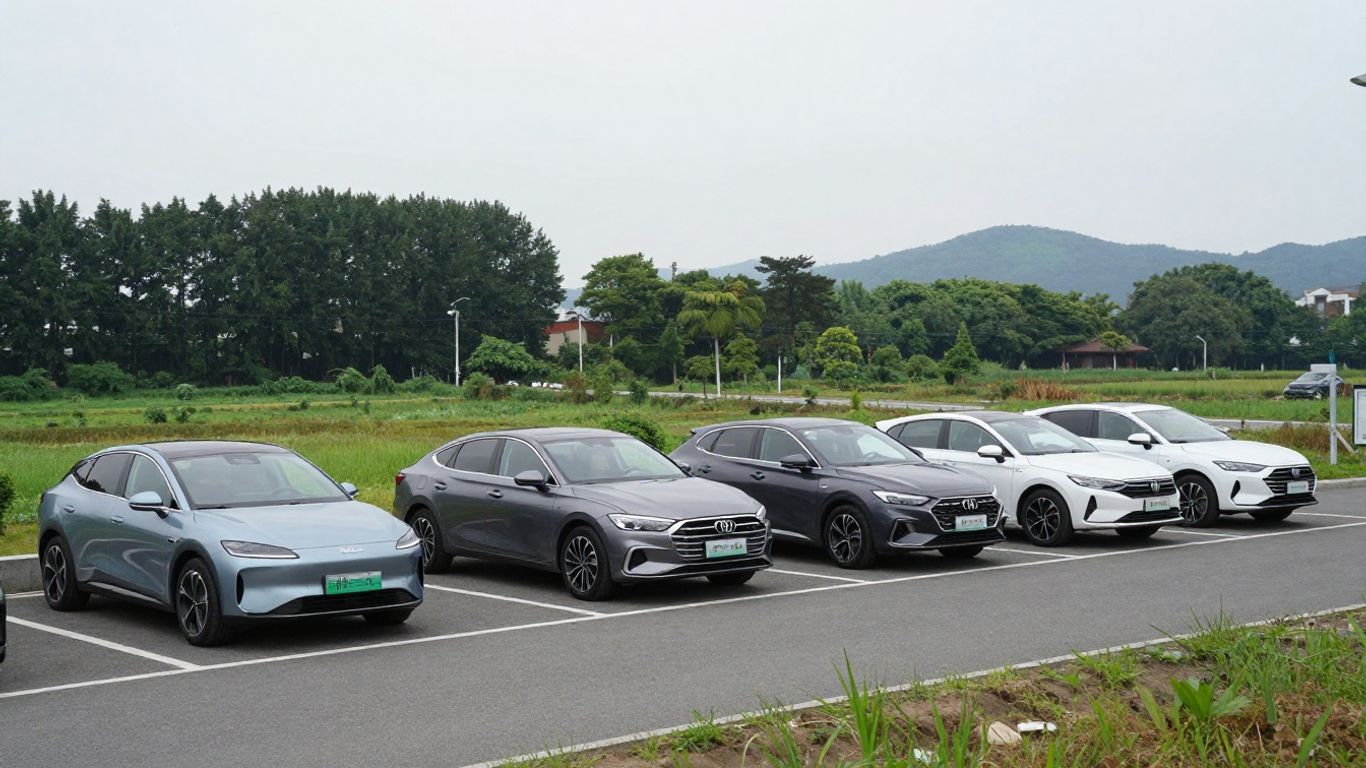
German engineering versus Japanese reliability
The common contrast is between German engineering and Japanese reliability. In practice, both groups contain well-designed cars and less successful ones. A Japanese car may be easier to maintain in some circumstances, while a German car may deliver a more polished drive or a quieter cabin.
Reliability is shaped by maintenance, usage and design complexity as well as national origin. A carefully serviced German car can be dependable, and a neglected car from any market can become expensive. Independent reliability data for the exact model and engine is worth more than a general reputation.
German design versus Korean and French value
Korean cars have often appealed to buyers who want generous equipment for the money, while French cars may offer distinctive styling and comfort. German cars can feel more restrained or substantial, but that positioning may come with a higher list price and costlier options.
Value is not limited to the purchase price. Warranty terms, standard equipment, fuel consumption and resale demand all affect the calculation. A car that costs more initially may still suit someone who values its driving characteristics, while a better-equipped alternative may make more financial sense for another buyer.
Premium brands versus mainstream alternatives
The premium distinction usually appears in materials, cabin isolation, performance options and the range of available technology. It can also be felt in the way a car responds to steering and throttle inputs. Mainstream alternatives, however, can be easier to understand, cheaper to insure and less intimidating when routine work is due.
The question is whether the extra qualities will be noticed during your normal week. Paying for a performance-oriented chassis makes little sense if most driving is slow urban commuting. Equally, a frequent motorway user may appreciate refinement that is difficult to capture in a basic price comparison.
Why comparisons depend on the model and market
Equipment, engine choices and warranty arrangements differ between countries and sometimes between individual model years. Even the same nameplate can be sold with different powertrains, suspension settings and standard features. Used-car supply also varies locally, affecting prices and the availability of specialists.
Before deciding, compare like with like: body style, mileage, transmission, fuel type, trim, age and service record. A short test drive should include the roads you normally use, because comfort and visibility can be more important than a brief impression on a smooth route.
The strengths of German cars
The appeal of German cars is easy to understand when several strengths arrive in the same vehicle. Engines can feel responsive without being crude, cabins can remain calm at speed, and the controls often give a sense of careful calibration. These qualities explain why the reputation remains strong, even though not every model delivers them equally.
The advantages are most noticeable when the car is matched to its purpose. A compact hatchback, executive saloon and sports car will express German design priorities in different ways. That variety is a strength, but it also means buyers need to look beyond the country of manufacture.
Powerful and efficient engine options
German manufacturers have offered a wide range of petrol, diesel, hybrid and electric powertrains across different model lines. The useful combination is not necessarily the largest engine; a smaller turbocharged unit may provide enough performance while using less fuel in normal driving. This is why engine choice should reflect mileage, traffic and load.
For drivers considering a smaller vehicle, this guide to 1.0-litre turbo engines offers a useful reminder that engine size alone does not tell the whole story. Economy can depend on how the car is driven, how heavily it is loaded and whether most journeys are urban or motorway based.
Precise handling and high-speed stability
Many German cars are tuned to feel settled at speed, with predictable steering and strong body control. That can make a long trip less tiring and give the driver confidence when roads become fast or uneven. It does not mean every car should have a firm ride, though; comfort and handling are always a compromise.
Tyres, wheel size and suspension condition can change the character dramatically. A used car with worn dampers or oversized wheels may no longer feel like the car it was designed to be. A proper test drive should therefore include bumps, bends, low-speed manoeuvres and faster stretches where legal and safe.
High-quality cabins and long-distance comfort
A well-built cabin can be one of the clearest reasons to choose a German car. Good seating positions, supportive seats and a quiet interior are valuable to commuters and families as well as enthusiasts. The impression of quality also comes from small details, such as how doors close and how clearly the instruments can be read.
However, premium presentation does not remove the need to inspect condition. Check the steering wheel, seat bolsters, switches, infotainment screen and trim around frequently used storage areas. These details reveal how the car has been treated and whether the asking price feels justified.
Advanced safety and driver-assistance systems
Driver-assistance systems can make a car more relaxing, particularly on busy roads and longer trips. German cars are often available with a broad spread of technology, but buyers should check exactly what is fitted rather than relying on a model’s reputation. Optional equipment may be common in advertisements but absent from a particular vehicle.
The most useful systems are those you understand and will use. A clear reversing camera, effective automatic emergency braking and well-calibrated cruise control may be more valuable than a complicated feature that rarely operates smoothly. It is also sensible to budget for calibration or sensor repairs if damage occurs.
The weaknesses and common ownership concerns
The same complexity that creates a refined driving experience can raise the cost of ownership. More sensors, control modules, turbochargers and advanced transmissions mean more components that may eventually need attention. This is not a reason to reject every German car, but it is a reason to buy with realistic expectations.
Age and maintenance are especially important in the used market. A low purchase price can be misleading if routine servicing has been postponed or if several expensive jobs are approaching together. Checking records before committing is one of the simplest ways to reduce uncertainty.
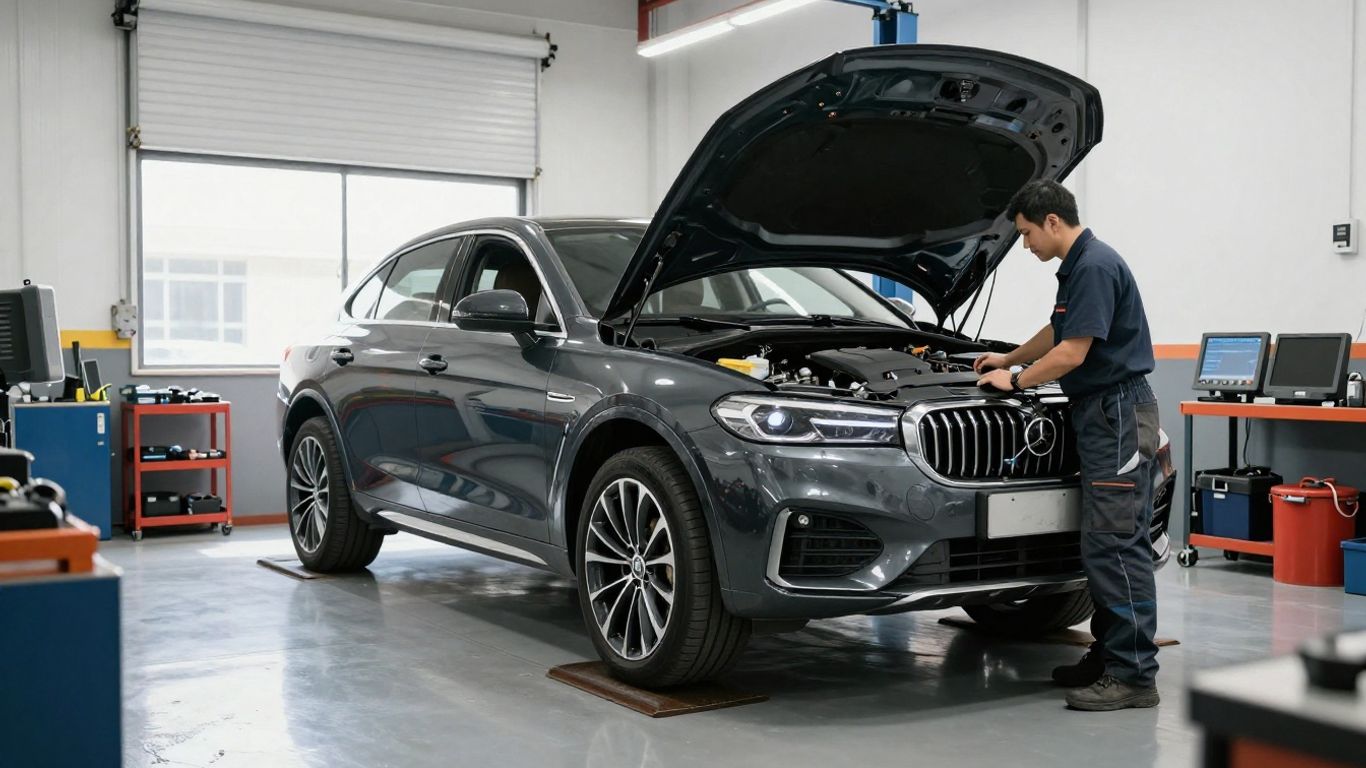
Higher servicing and repair costs
Routine servicing may cost more when a car requires specialist diagnostic equipment, premium fluids or tightly specified parts. Labour rates can also vary considerably between a main dealer and an independent specialist. Getting quotations in advance helps separate a genuinely manageable car from one that only looks affordable on the forecourt.
A sensible budget should include tyres, brakes, annual servicing and a reserve for less predictable work. On an older performance or luxury model, suspension components and cooling-system repairs may be more expensive than buyers expect. The answer is not always to choose the cheapest garage, but to use a reputable one with the right experience.
Complex electronics and expensive components
Infotainment, driver assistance, climate control and comfort features can all depend on interconnected electronics. A fault may be minor in function but costly to diagnose, especially if a complete module or sensor is required. Software updates and battery condition can also affect how modern systems behave.
This is where a pre-purchase inspection earns its place. Ask for warning lights to be investigated, test every screen and switch, and check that cameras, parking sensors and powered adjustments work properly. Small faults are easier to address before purchase than after it.
Reliability differences between engines and model years
Reliability can change between generations even when the badge and model name remain familiar. Engines, transmissions and emissions equipment may be revised, and early examples of a new system can have a different record from later cars. Mileage matters, but usage and service intervals matter too.
Search for information on the exact engine and year rather than accepting a broad claim about a manufacturer. A specialist inspection can identify leaks, unusual noises and diagnostic faults that a short viewing may miss. This approach is more practical than treating “German” as either a guarantee or a warning.
Depreciation, insurance and specialist maintenance
Premium cars can lose value quickly when newer versions arrive or when running costs deter second-hand buyers. Insurance may also reflect engine output, repair costs and the value of complex equipment. These costs can make a seemingly attractive bargain less attractive over time.
Leasing changes the calculation because the customer is paying for agreed use rather than buying and later selling the vehicle. Flexible lease options can be worth considering when predictable monthly costs matter more than owning the car outright. The contract terms still need careful reading, including mileage, maintenance and end-of-term conditions.
Are German cars reliable in the long term?
The honest answer is that some are, and some are not. German cars can cover high mileages when serviced properly, but reliability is not identical to engineering sophistication. A car with excellent materials and strong performance may still have more potential failure points than a simpler alternative.
Long-term dependability is therefore a shared responsibility between the design, the owner and the repairer. Regular maintenance, prompt attention to warning signs and sensible buying decisions all help. The badge provides context, not certainty.
The difference between reliability and durability
Reliability usually means that a car performs its intended job consistently without unexpected failures. Durability is the ability of its components to withstand use over time. A car may be durable mechanically but suffer repeated electronic faults, or it may be reliable when new but expensive to keep in good condition as it ages.
This distinction explains why opinions can differ so sharply. One owner may report years of trouble-free motoring, while another encounters costly faults after buying a neglected example. Both experiences can be genuine without proving that every car of that type will behave the same way.
Which parts are most likely to require attention
Wear items such as brakes, tyres, suspension components and batteries eventually need replacement on any car. More complex vehicles may also require attention to cooling systems, emissions equipment, automatic transmissions or electronic sensors. The risk varies with engine, mileage, driving pattern and maintenance quality.
Look for symptoms rather than relying on a list of stereotypes. Uneven tyre wear, hesitation, fluid leaks, warning lights and poor-quality gear changes deserve investigation. A good service history cannot prevent every repair, but it can show whether the car has been cared for consistently.
How servicing history affects dependability
A complete service record gives useful evidence about how the car has been used and maintained. It should be checked against mileage, invoices, inspection records and the manufacturer’s recommended schedule. Gaps do not automatically rule out a vehicle, but they should affect the price and the level of inspection required.
The safest approach is to treat a used car as an individual. Confirm what work has already been done, identify what is due next and ask whether recalls or software updates apply. That information makes the ownership decision more measured and less dependent on hearsay.
The role of independent garages and genuine parts
An independent garage with experience of the particular model can offer a useful alternative to a main dealer. The important factors are suitable diagnostic equipment, trained technicians, clear estimates and a willingness to explain the work. Parts should meet the required specification, whether they are supplied by the manufacturer or an established equivalent provider.
Choosing the right repairer can make ownership more manageable without cutting corners. Keep invoices and inspection notes, because a clear maintenance trail may support future resale. It also helps the next owner understand what has been replaced and what still needs monitoring.
Comparing Germany’s leading car brands
German brands do not all pursue the same idea of a good car. Some focus more heavily on steering response, others on quiet luxury or restrained design. Even within one manufacturer, a small hatchback and a large executive car can offer very different ownership experiences.
Brand comparisons are useful only when they lead to a specific shortlist. Consider the driving position, space, engine, warranty, service network and likely running costs of the actual cars you are considering. The following descriptions are broad guideposts rather than promises about every model.
BMW: driving dynamics and engine choice
BMW is often considered by drivers who enjoy a responsive chassis and a choice of engines and body styles. Its appeal tends to centre on the relationship between steering, propulsion and the road, although ride comfort depends on the model, wheel size and specification. A test drive is essential if handling is a priority.
For a concrete example of the type of vehicle available, the BMW 3 Series listing describes a petrol automatic estate car offered on flexible lease from six months. The specific vehicle and terms matter more than a general brand slogan, so check the live details before forming a view.
Mercedes-Benz: luxury, comfort and technology
Mercedes-Benz is commonly associated with a more comfort-led interpretation of premium motoring. Spacious seats, a quiet cabin and a strong technology offering can suit drivers who spend many hours on the road. As with any premium car, equipment and running costs vary by model and trim.
A plug-in hybrid estate, for example, may suit someone with regular access to charging and a need for extra load space, while a coupe will prioritise a different kind of use. The best choice is the one whose layout and powertrain fit your routine rather than the one with the most prestigious badge.
Audi: design, quattro and interior quality
Audi tends to attract buyers with clean exterior design, carefully organised cabins and the availability of quattro all-wheel drive on suitable models. Those qualities can be appealing in poor weather or when a composed, understated interior matters. They should still be weighed against tyre, servicing and repair costs.
Equipment levels can differ substantially between similar-looking used cars. Check the exact specification, the condition of the infotainment system and the service history before assuming that an advertised feature is included. A measured comparison may reveal that a less expensive trim does everything you actually need.
Volkswagen and Porsche: different approaches at different price points
Volkswagen covers a broad part of the market, from compact hatchbacks to larger family vehicles. It can provide some of the design and engineering thinking associated with Germany in a more mainstream package, although running costs and reliability still depend on the individual model. Porsche sits at a different price point, with a stronger focus on performance and premium ownership.
That range illustrates why “German car” is too broad a category for a final verdict. A practical family hatchback and a high-performance sports car are designed around different priorities. Compare each with cars serving the same purpose, not simply with every other German badge.
How to decide whether a German car is right for you
The right decision starts with the life the car will lead. Think about annual mileage, journey length, passengers, parking, fuel access and how long you expect to keep it. Then decide whether you value a refined drive enough to accept potentially higher costs.
There is no prize for choosing the most complicated or powerful option. A well-matched, properly maintained car will usually be more satisfying than an ambitious purchase that stretches the budget. Leasing can also provide a way to select a newer vehicle while keeping the decision focused on use and monthly affordability.
Match the brand and model to your priorities
Write down the features that genuinely matter before looking at badges. You may care most about motorway comfort, a large boot, low fuel use, a high driving position or an enjoyable manual gearbox. This short list helps prevent attractive but unnecessary equipment from taking over the decision.
Compare at least two or three closely matched cars and drive them on familiar roads. Pay attention to visibility, seat comfort, controls and the ease of parking, not just acceleration. The car that feels right in daily use is often different from the one that looks most impressive online.
Calculate the full cost of ownership
A realistic budget includes more than the monthly payment or purchase price. Allow for insurance, fuel or charging, tyres, servicing, road tax where applicable and a contingency for repairs. For a used car, depreciation may be less visible but should still be considered.
A simple comparison can keep the decision grounded:
| Cost area | What to check | Why it matters |
|---|---|---|
| Purchase or rental | Deposit, monthly payment and term | Shows the immediate commitment |
| Maintenance | Schedule, parts and labour | Reveals predictable running costs |
| Insurance | Group, driver and postcode | Can vary sharply between similar cars |
| Depreciation | Age, mileage and resale demand | Affects the true cost of ownership |
The result is not a perfect forecast, but it makes trade-offs clearer. Fixed monthly rentals, where maintenance and road tax are included under the agreed package, may be useful for drivers who value simpler budgeting; always confirm the exact contract terms.
Check warranty coverage and servicing requirements
Warranty protection can make a newer car easier to budget for, but exclusions, mileage limits and approved repair requirements vary. Read the terms before relying on the word “warranty”. Ask what servicing is required, where it can be completed and whether scheduled maintenance is included.
For leased vehicles, confirm the mileage allowance, maintenance responsibility, insurance requirements and process for reporting damage. A straightforward quote should leave you clear about what is covered and what is not. That clarity is particularly valuable when comparing ownership with flexible leasing.
Consider new, nearly new and used-car options
A new car offers the latest equipment and the clearest early ownership history, but it may carry the steepest depreciation. A nearly new car can provide a useful middle ground, while a used car may offer more vehicle for the money if its condition and history are strong.
Flexible contracts can also suit people whose circumstances may change. Browse live vehicle deals to see how fixed monthly rentals and adaptable terms can fit a car or van requirement, then compare the package with the cost and commitment of buying. The best route is the one that leaves room in your budget for ordinary life.
Explore flexible vehicle options
If you are still weighing up the ownership question, First Flexi Lease offers flexible car and van leasing with contracts from six to 48 months. Its fixed monthly rentals include road tax and maintenance, with no hidden admin fees, while the quote stage uses a soft credit check. For drivers in Exeter and the South West, it is a practical way to consider a newer German car without committing to long-term ownership.
Conclusion
German cars are not automatically better, but they can be a strong choice for drivers who value composed handling, comfort, design and technology. Their drawbacks are usually linked to complexity and the cost of maintaining premium components. Compare the exact model, engine, history and full ownership cost, and choose the car that fits your life rather than the badge that sounds most impressive.
Frequently asked questions
Are German cars better than Japanese cars?
Are German cars expensive to maintain?
Do German cars last a long time?
What should I check when buying a used German car?
Are German cars good for motorway driving?
Is a German car worth leasing?
Should I buy a German car with a high mileage?
Reviewed by
Billy Lang, Director
FCA Registration No: 835008
Keep reading
Related guides
Vehicle guides
Are 1.0-litre turbo engines any good?
How three-cylinder 1.0 turbo engines manage the pace of a bigger engine on small-car running costs, where they struggle, and which ones have proven themselves.
Read guideVehicle guides
Audi A1: Perfect First Car
The Audi A1 can make a polished, manageable first car, but the right example matters more than the badge. Think carefully about insurance, servicing, space and the condition of any used model before committing. Compact dimensions make the A1 comfortable in town and easier to park. The premium cabin and technology are appealing,…
Read guideVehicle guides
Are Alfa Romeo Cars Reliable?
Whether Alfa Romeo cars are reliable depends less on the badge alone and more on the model, engine, age and care it has received. Newer Alfa Romeo models can be enjoyable and dependable when serviced correctly. Electrical warnings, battery issues and wear to suspension components are common ownership concerns. A complete service history…
Read guideReady when you are
Put the reading into practice.
A soft credit check via Creditsafe takes minutes. It does not normally affect your credit score the same way as a full lending application — and you get an honest answer either way.
Request a Flexi Quote
Quick form. Tell us which flexi stock you are interested in and we'll call you back the same day.
